Geography & regions
Moldova region by region
Pick a district and see everything we have documented there — sights, where to sleep, where to eat.
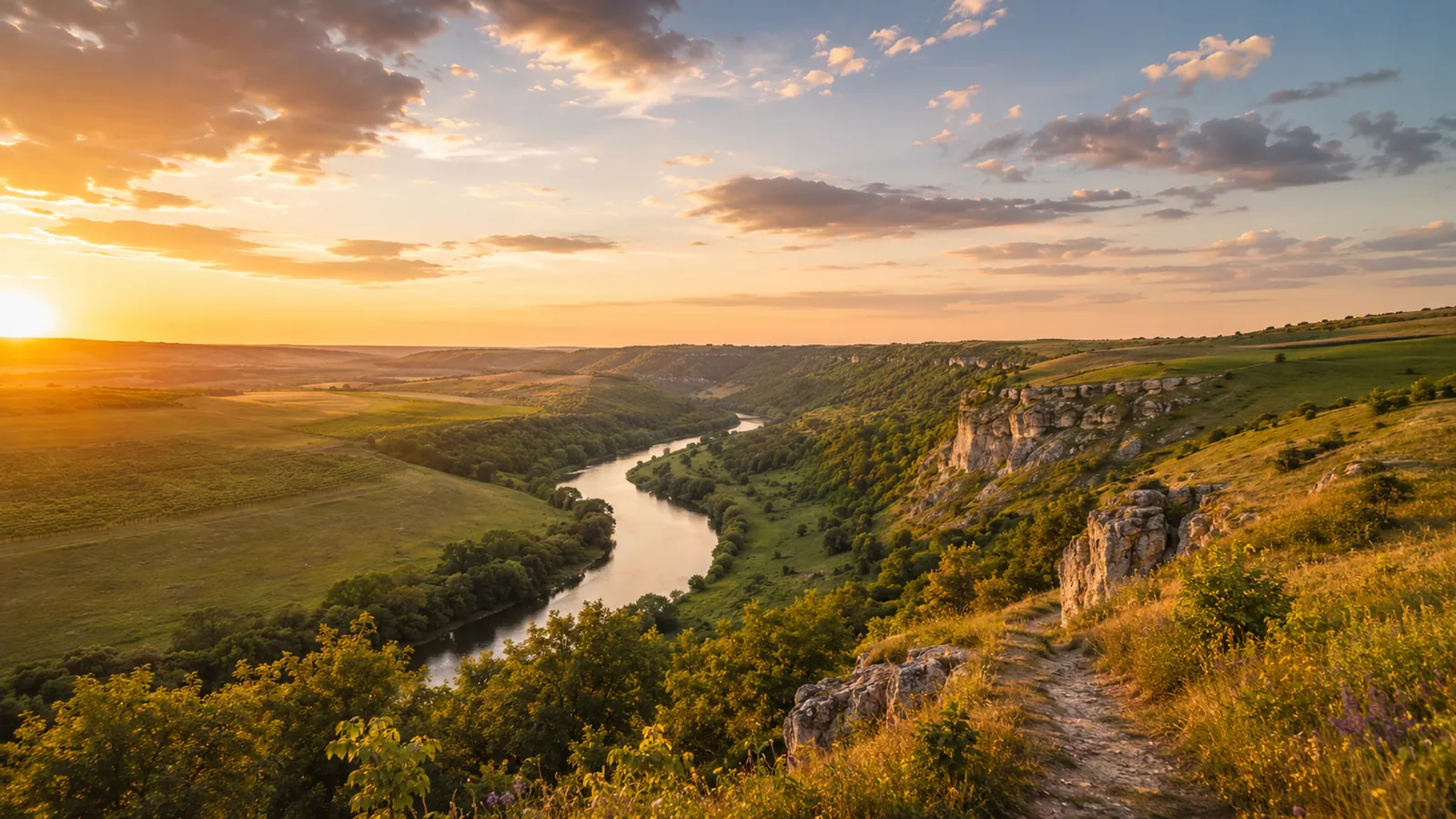
The Republic of Moldova is divided into 32 districts, two municipalities (Chișinău and Bălți), the autonomous territorial unit of Gagauzia and the Transnistrian region. Each area has its own character — from the vineyards and the Codri forests of the centre, to the fortresses and orchards of the north and the steppe influences of the south. Use the interactive atlas below to explore each administrative unit, with its seat, its attractions and its towns and villages.
Units with special status
Municipalities & autonomous units
The capital, the larger cities and the regions with a distinct administrative status.
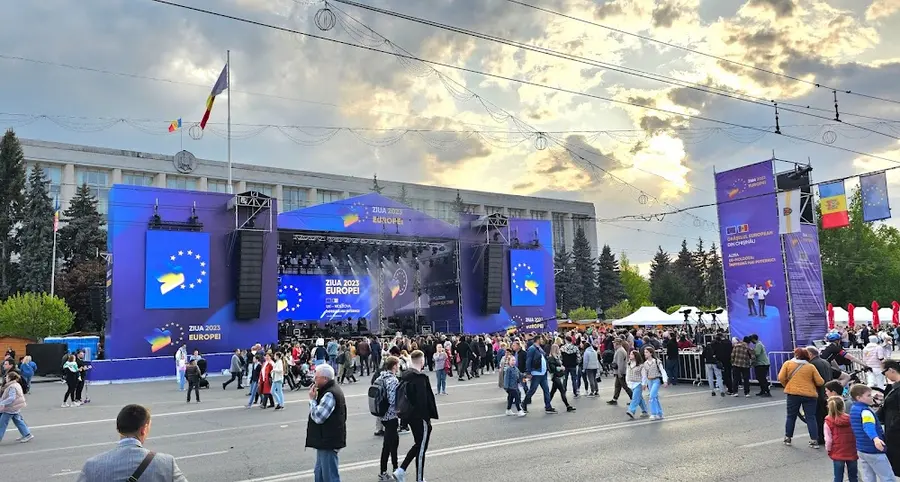
Chișinău Municipality
The capital and largest city of the Republic of Moldova, the country's political, economic and cultural centre. A green and relaxed city, with eclectic architecture and a rapidly developing food scene.
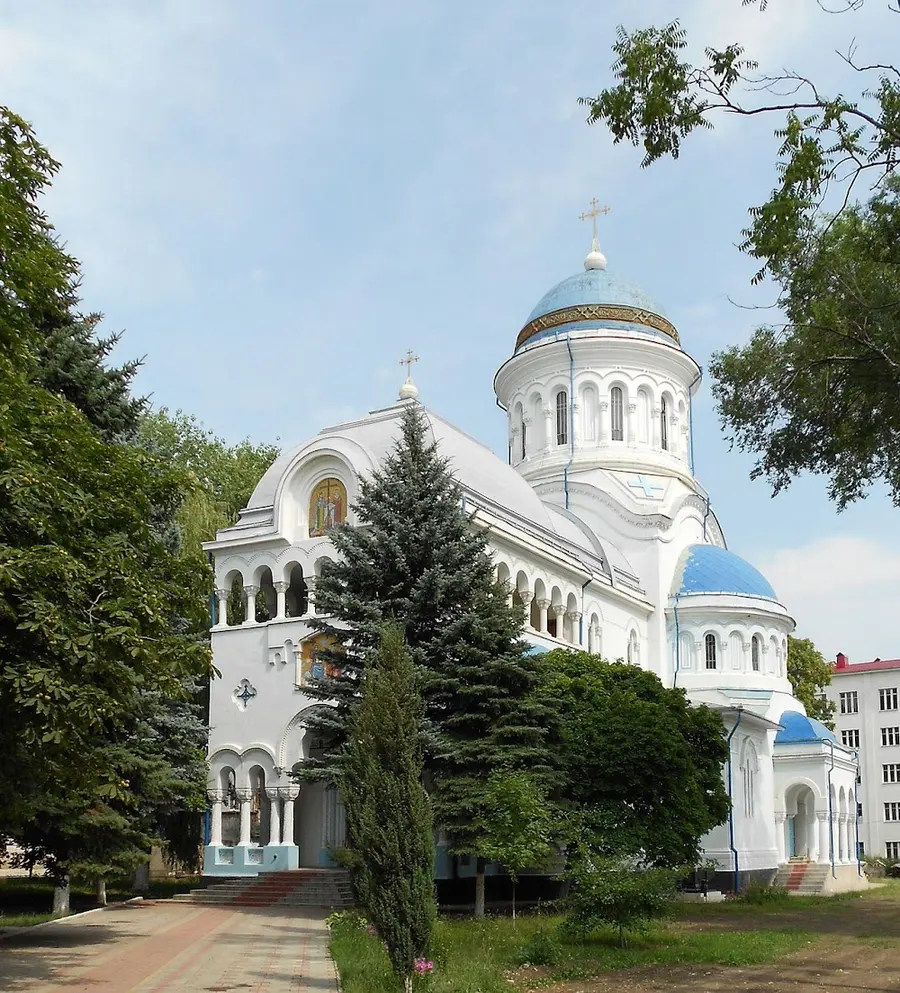
Bălți Municipality
The second-largest city in the Republic of Moldova, nicknamed the "northern capital". An important industrial, commercial and university centre of the northern region.
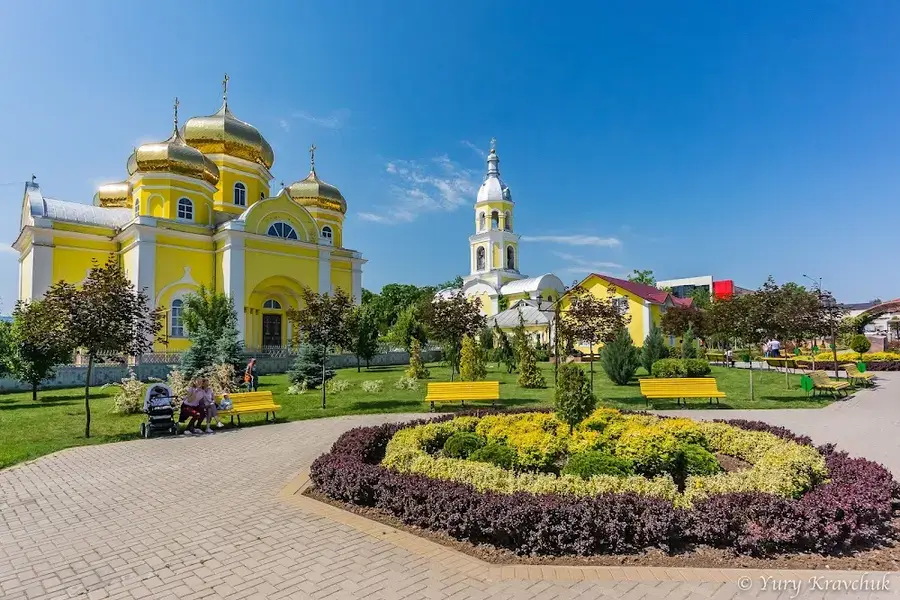
UTA Găgăuzia
An autonomous territorial unit with a majority Gagauz population — a Turkic people of Orthodox faith. Unique culture, language and cuisine, with a strong winemaking tradition. The seat is at Comrat.
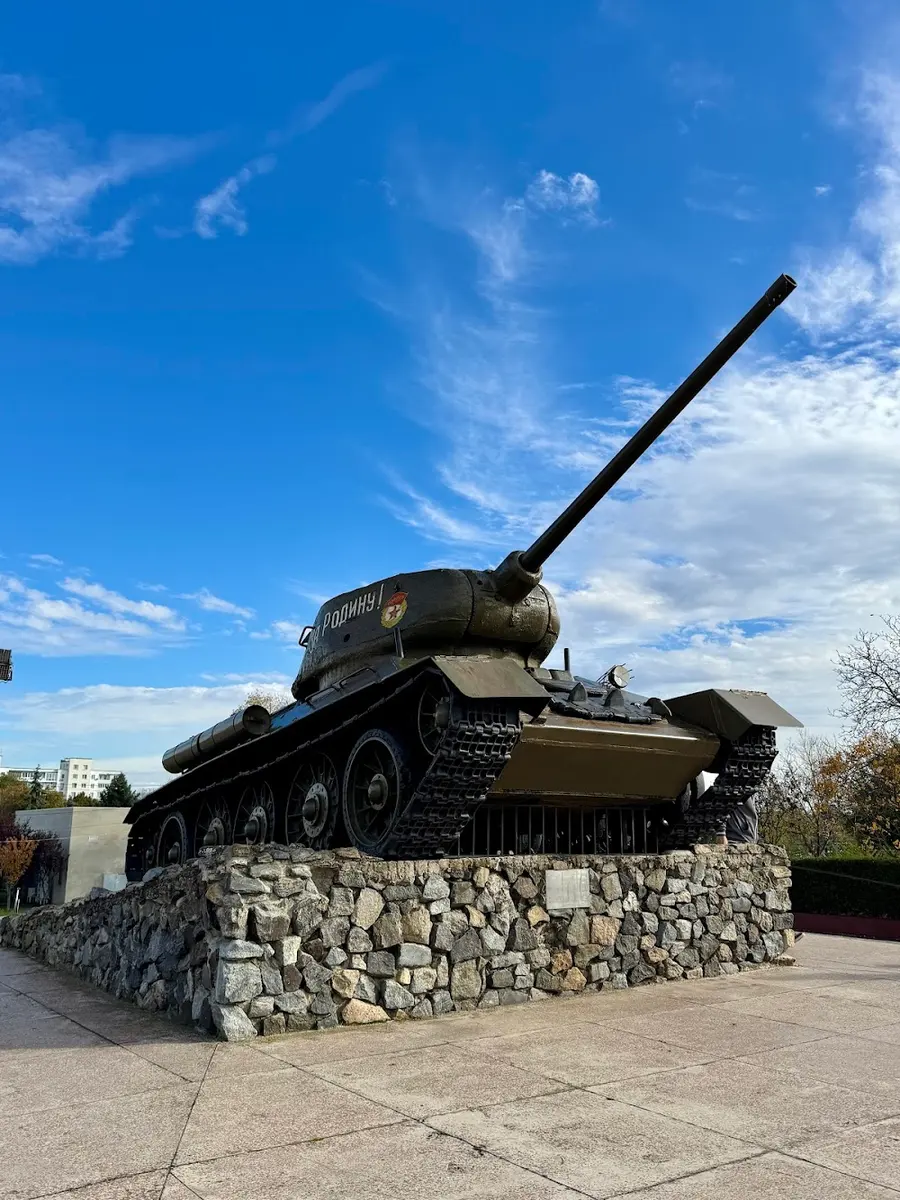
Stânga Nistrului (Transnistria)
A region on the left bank of the Dniester with special status, de facto under a separatist administration not recognised internationally. Visiting is possible, but requires prior information from official sources. The de facto seat is at Tiraspol.
Northern region
11 districts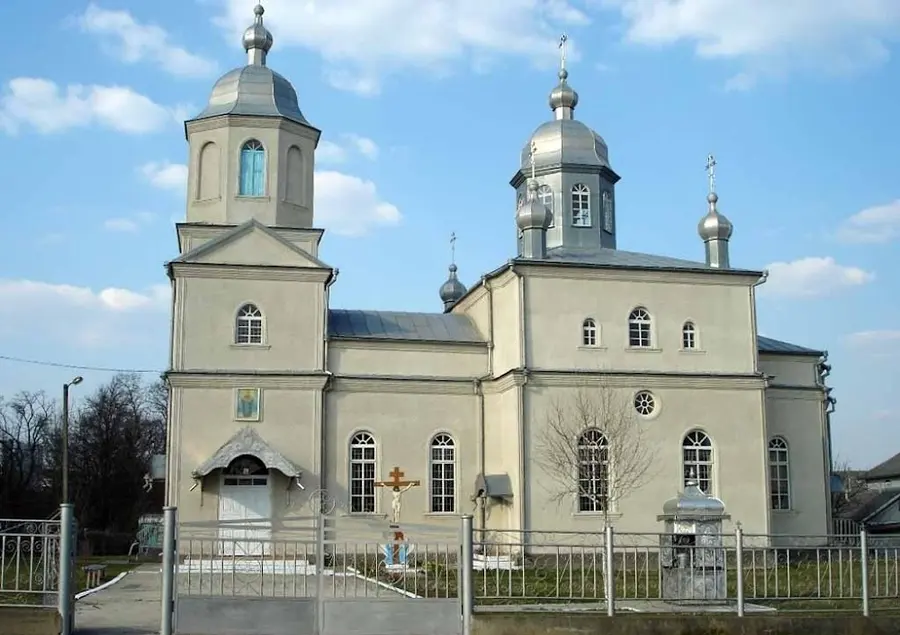
Briceni District
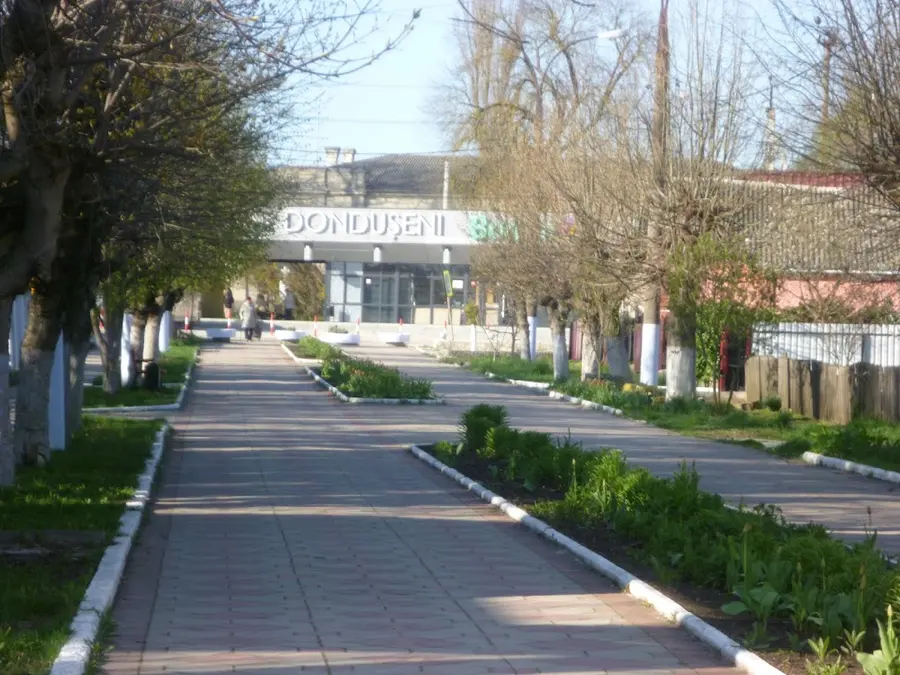
Dondușeni District
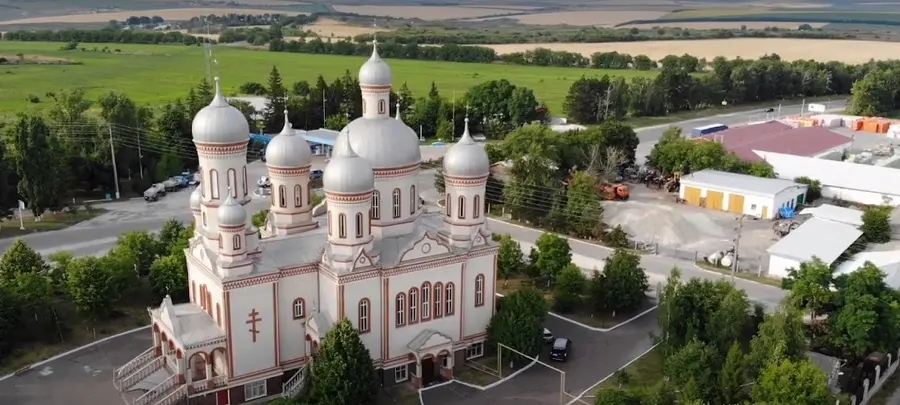
Drochia District
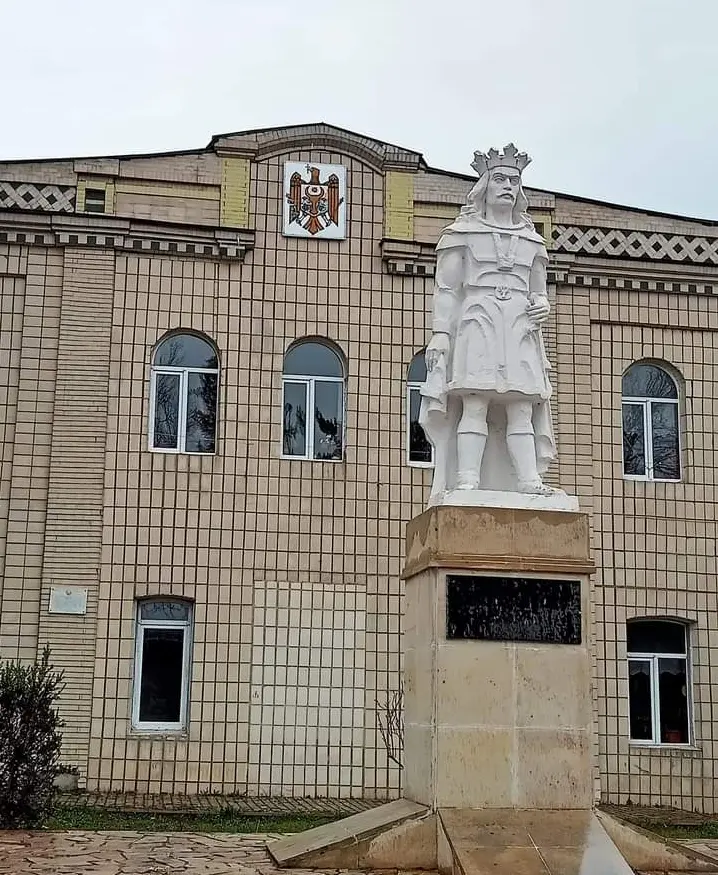
Edineț District
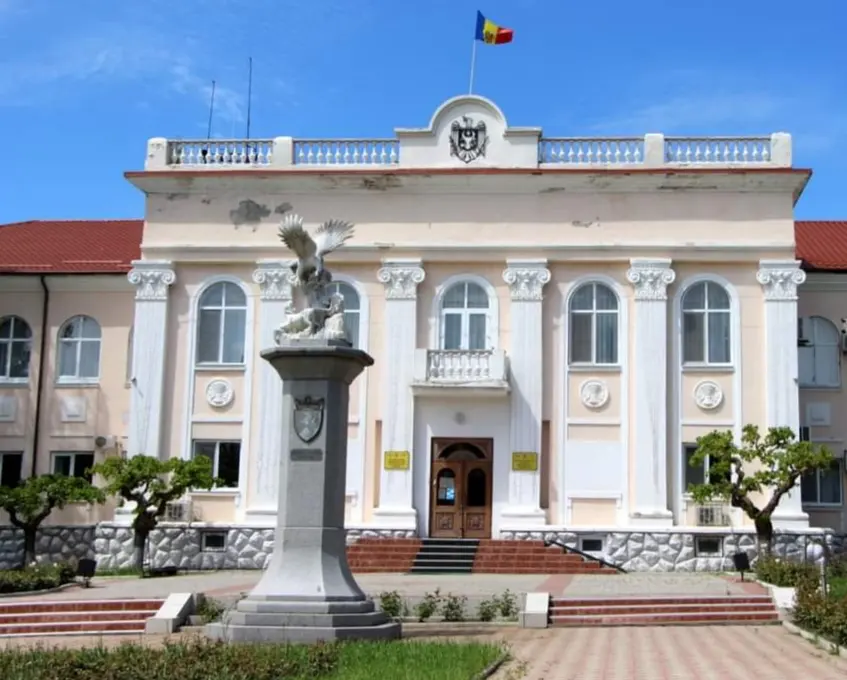
Fălești District
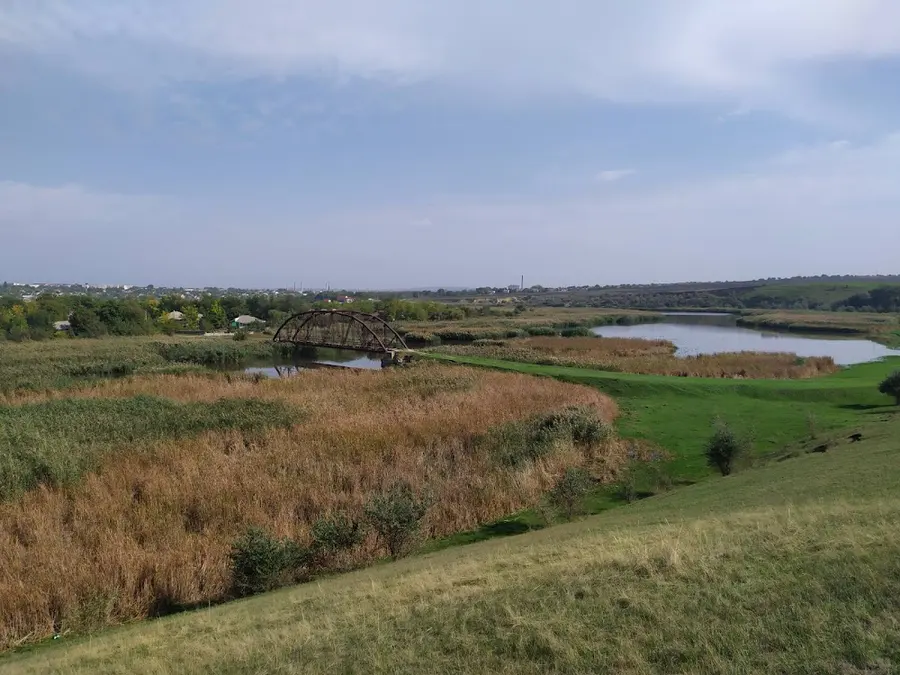
Florești District
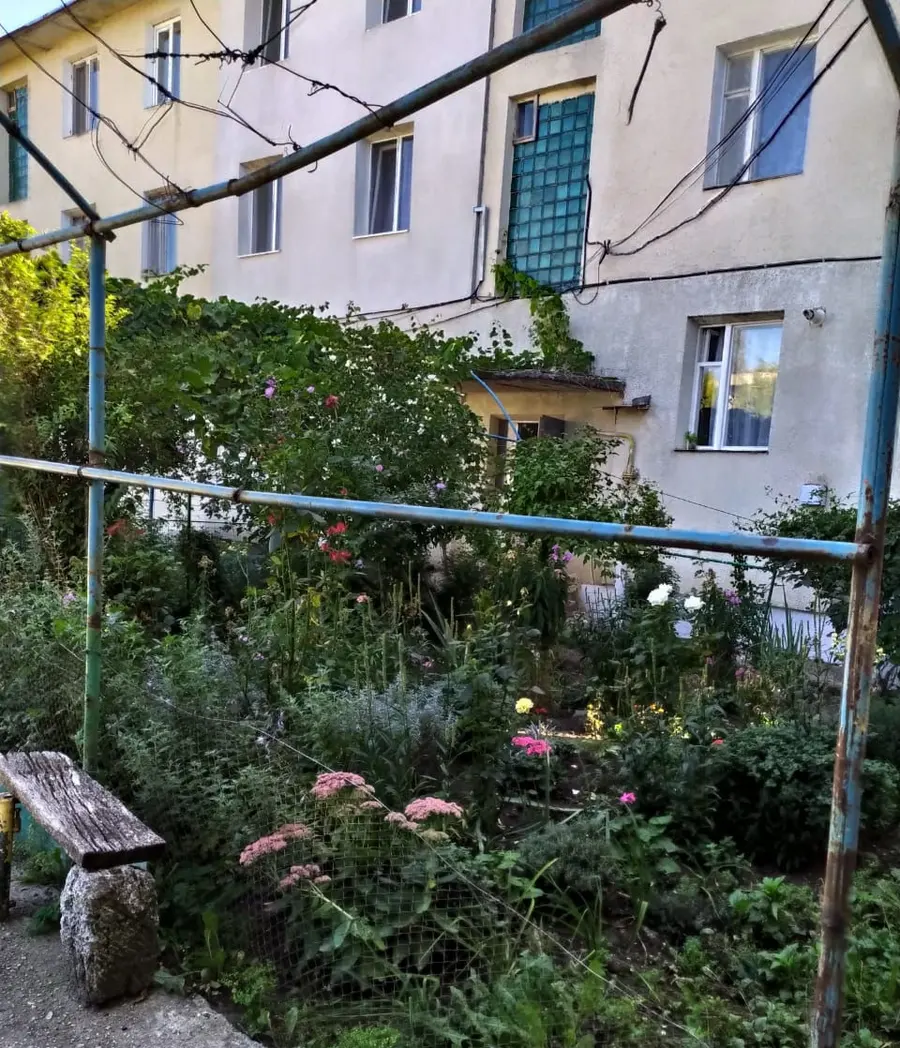
Glodeni District
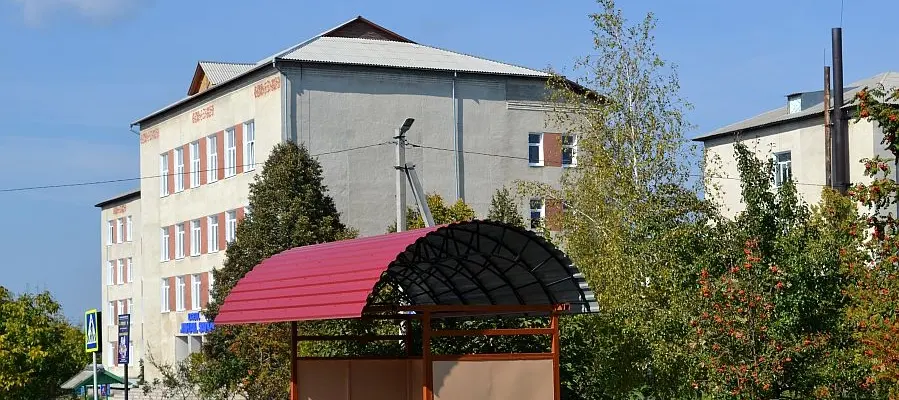
Ocnița District
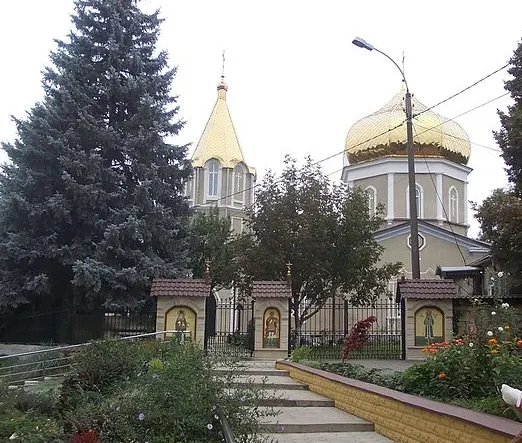
Rîșcani District
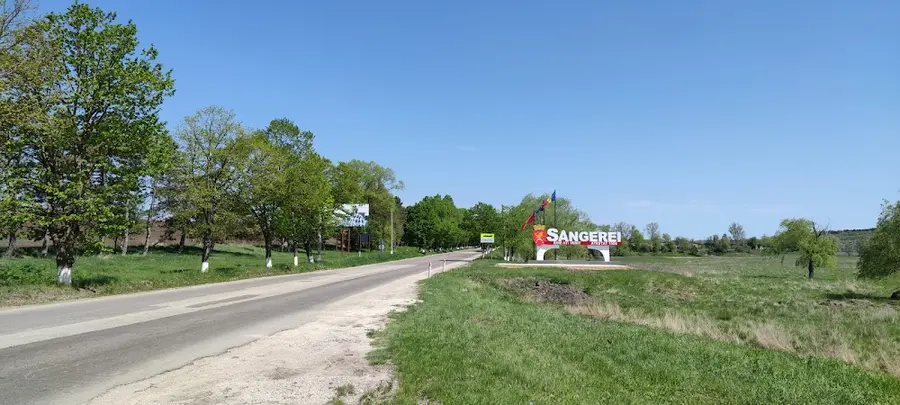
Sîngerei District
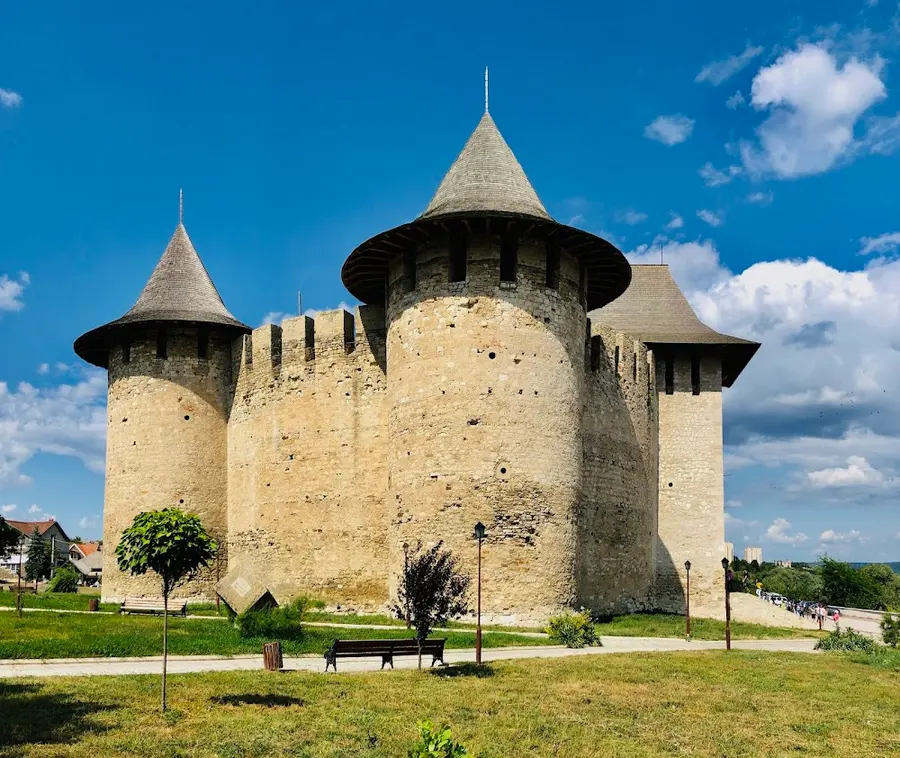
Soroca District
Central region
13 districts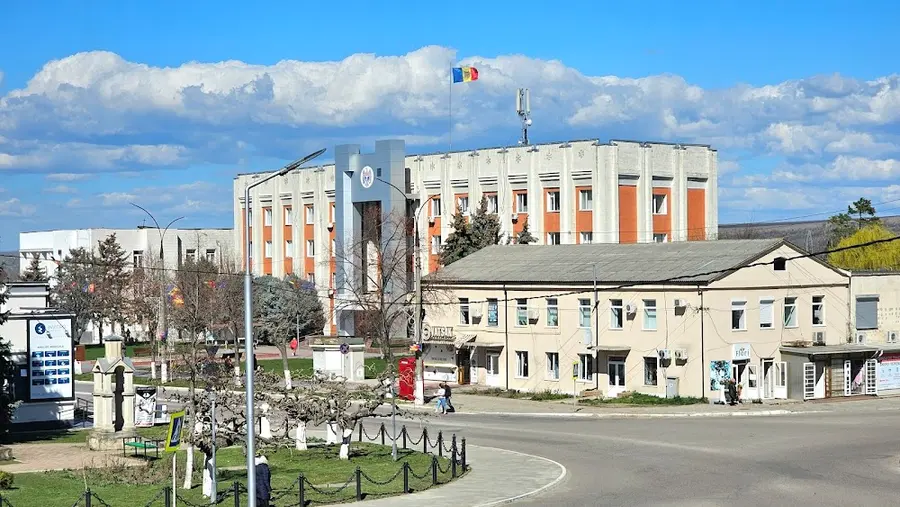
Anenii Noi District
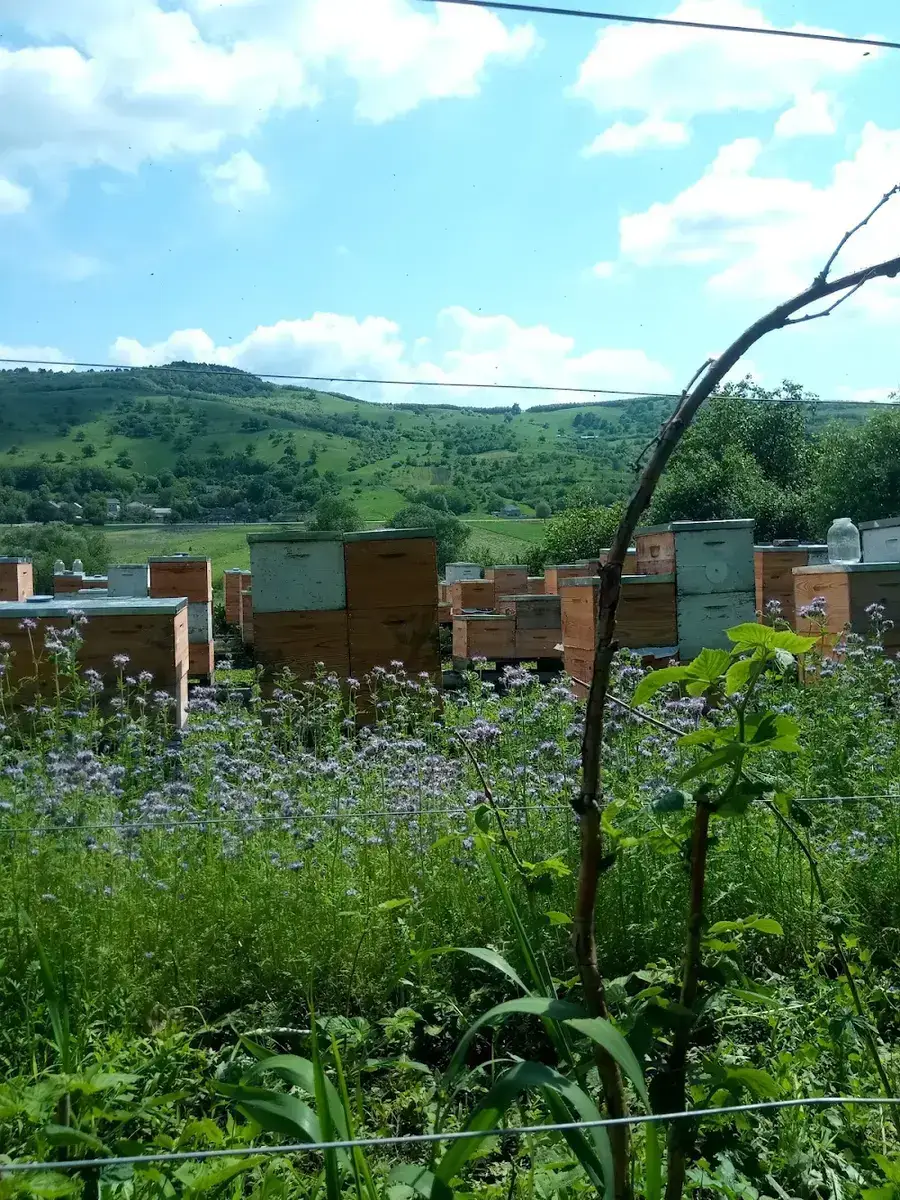
Călărași District
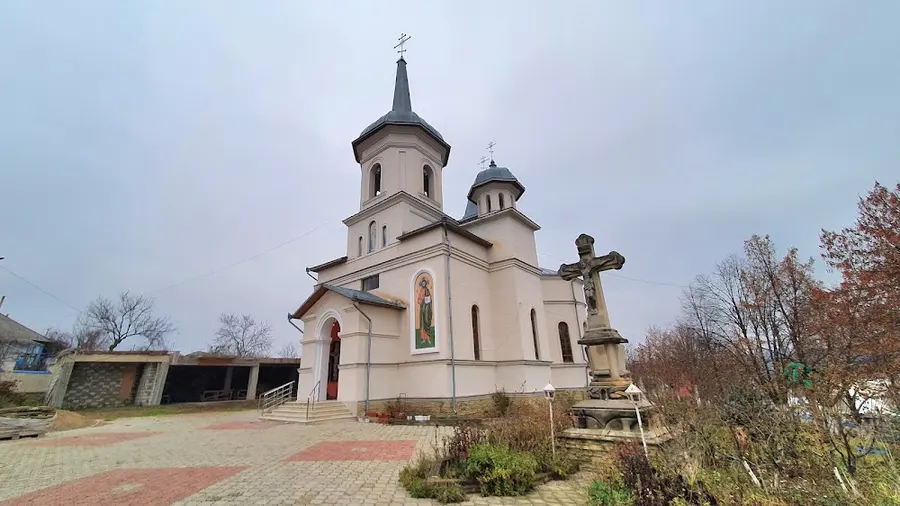
Criuleni District
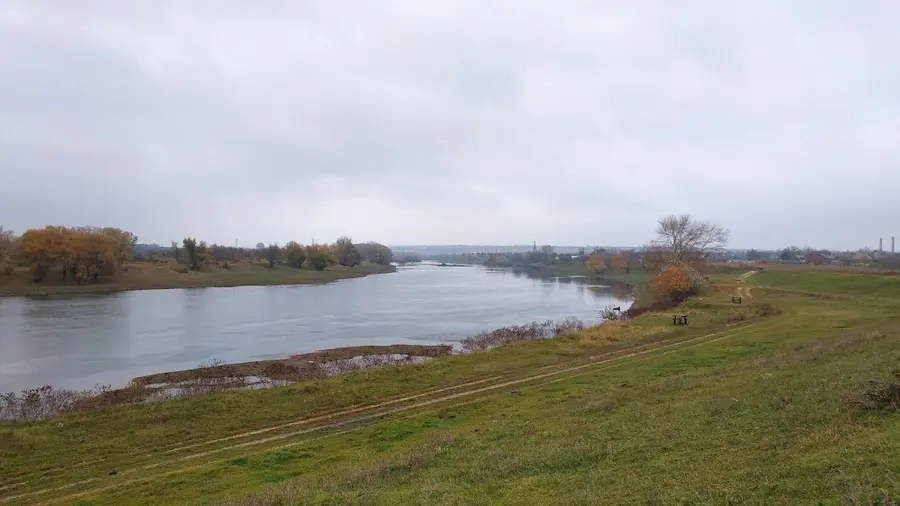
Dubăsari District
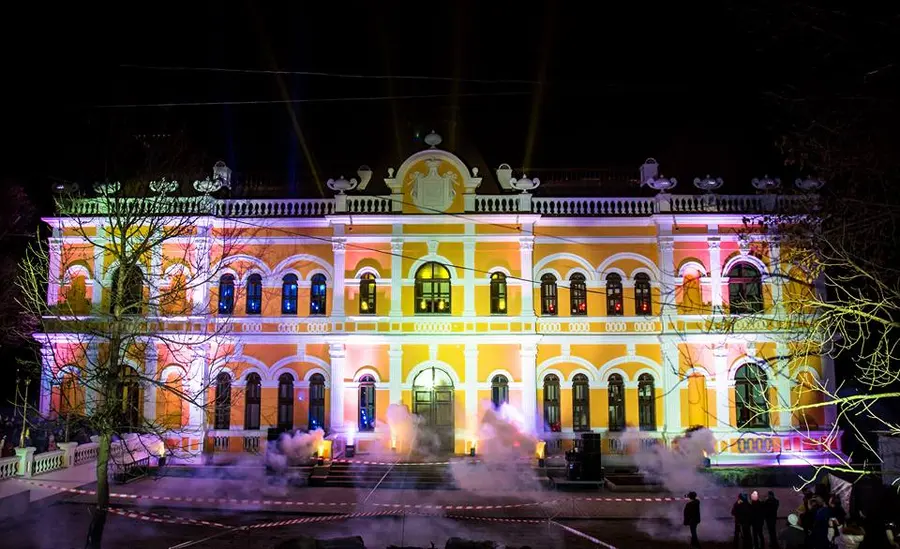
Hîncești District
Ialoveni District
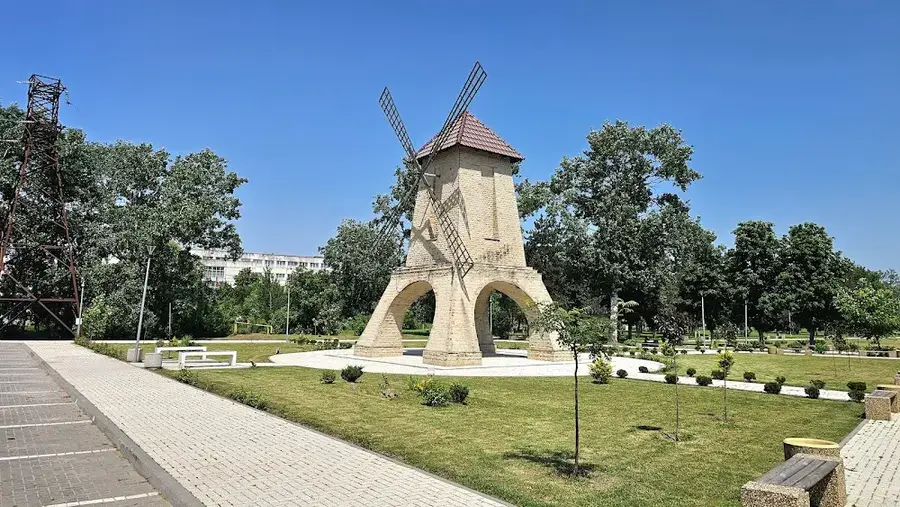
Nisporeni District
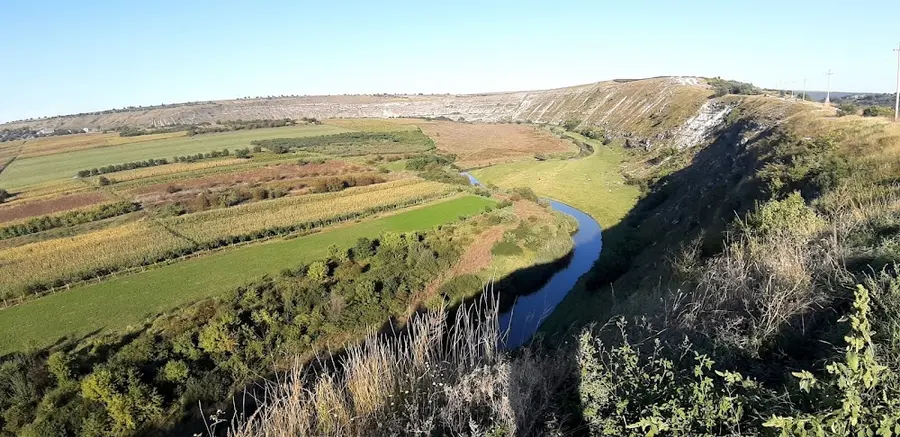
Orhei District
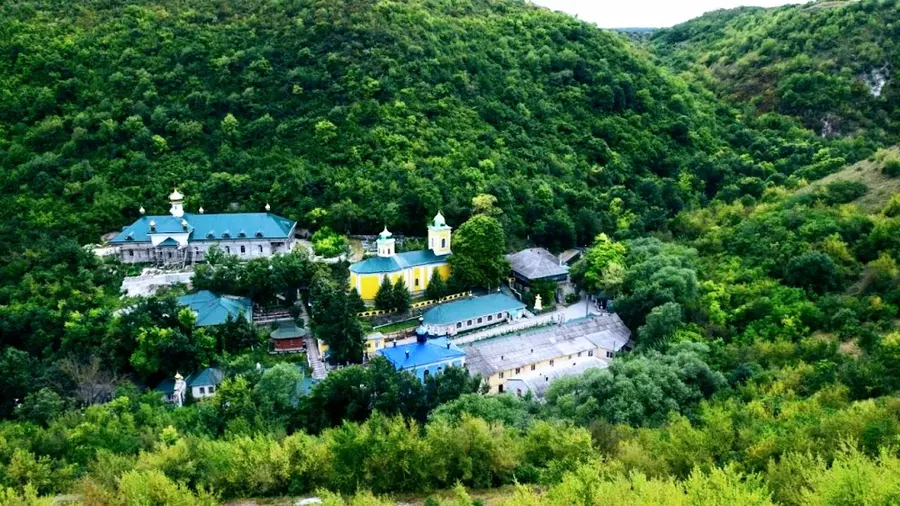
Rezina District
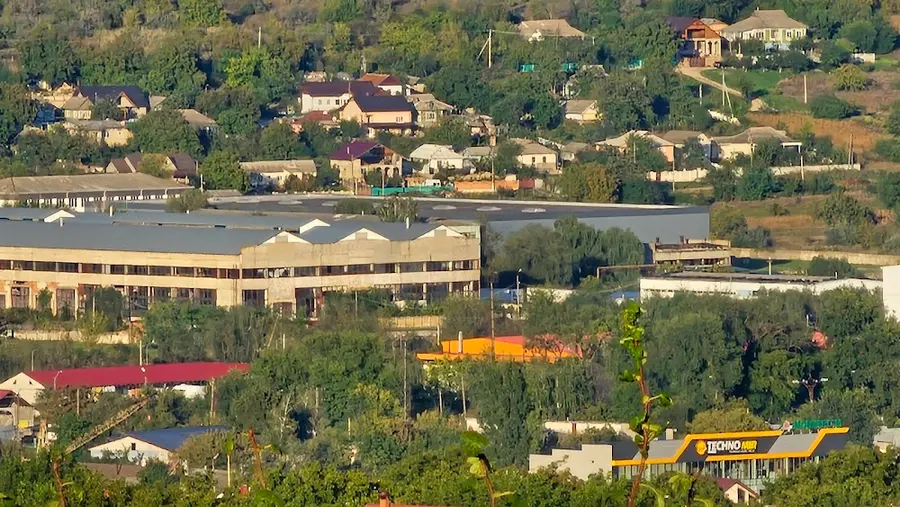
Strășeni District
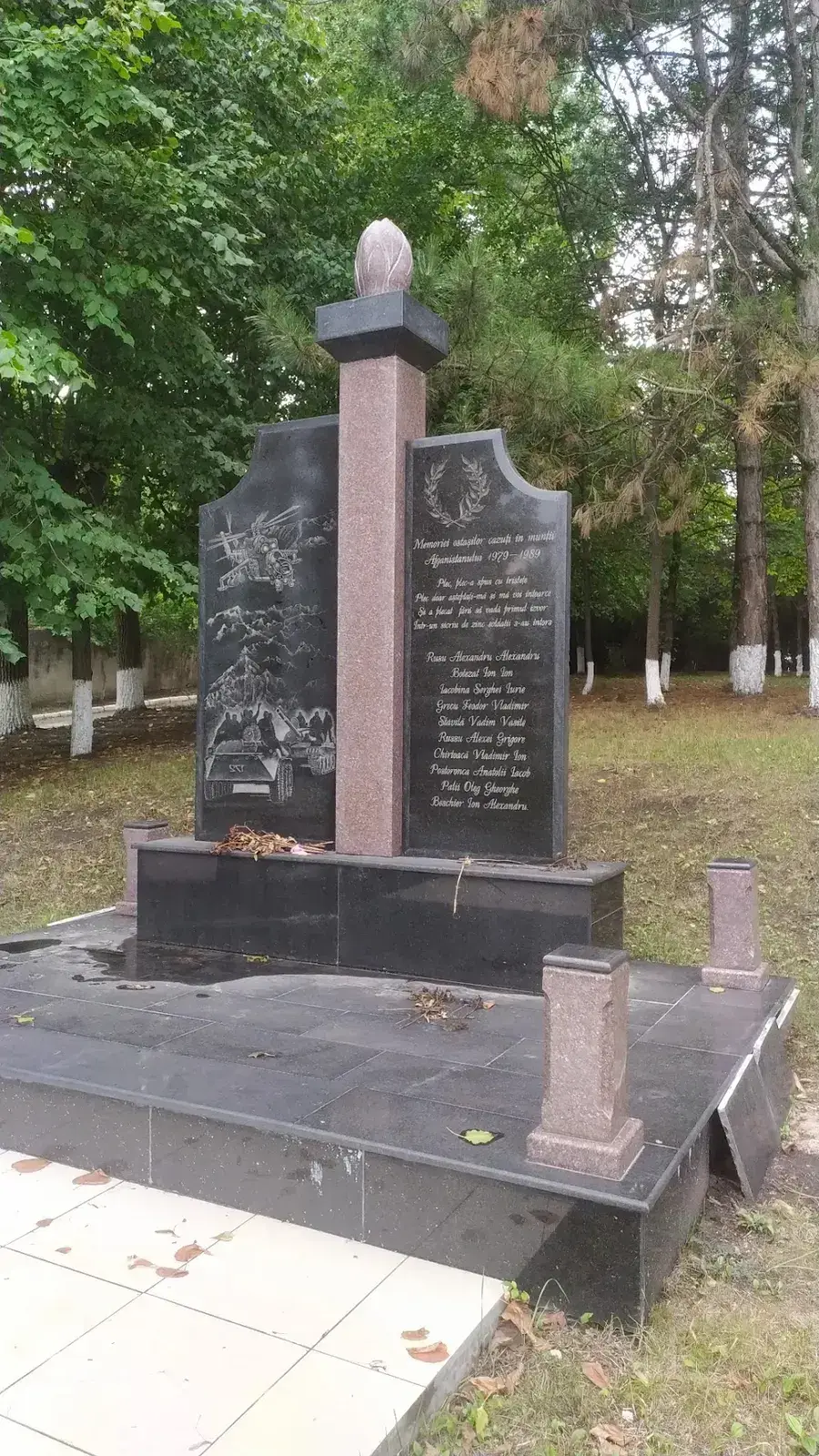
Șoldănești District
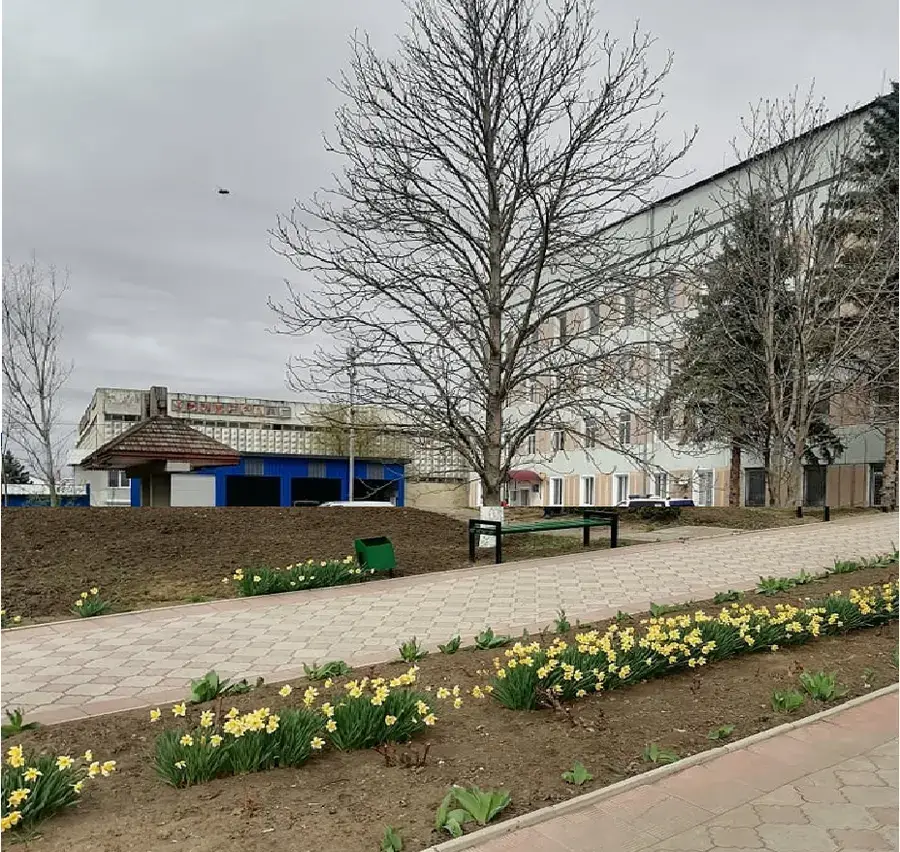
Telenești District
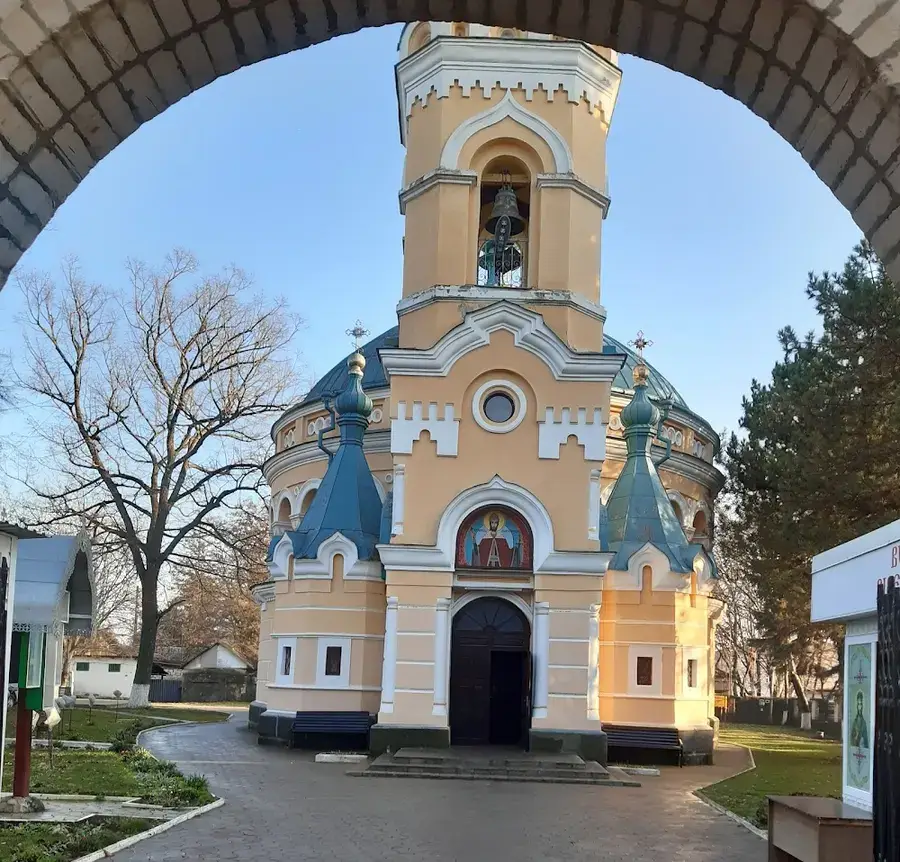
Ungheni District
Southern region
8 districts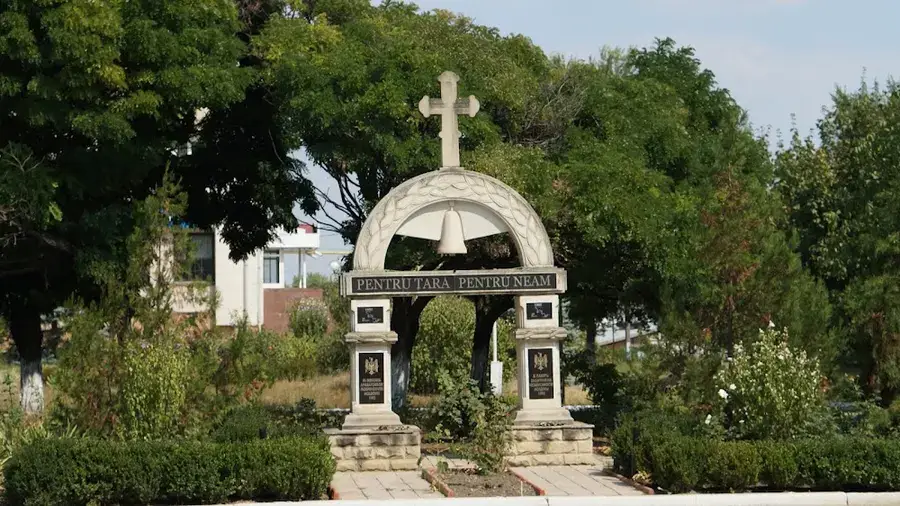
Basarabeasca District
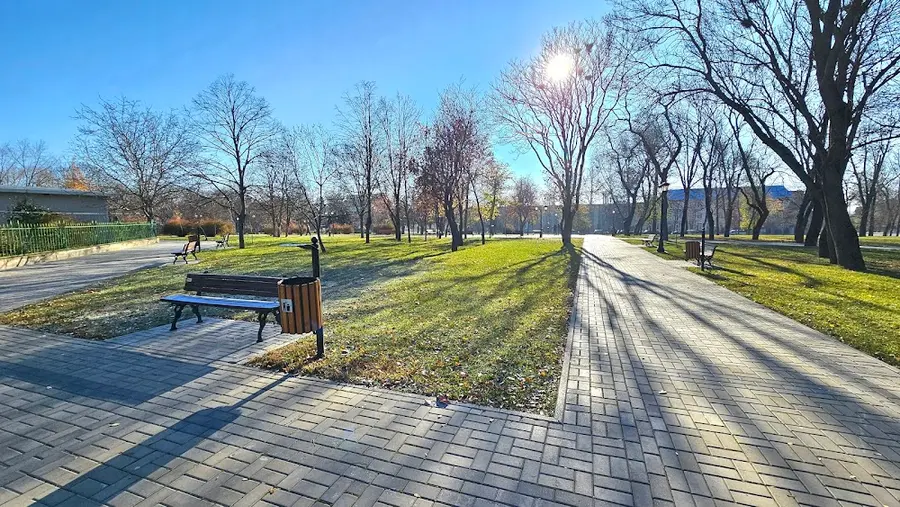
Cahul District
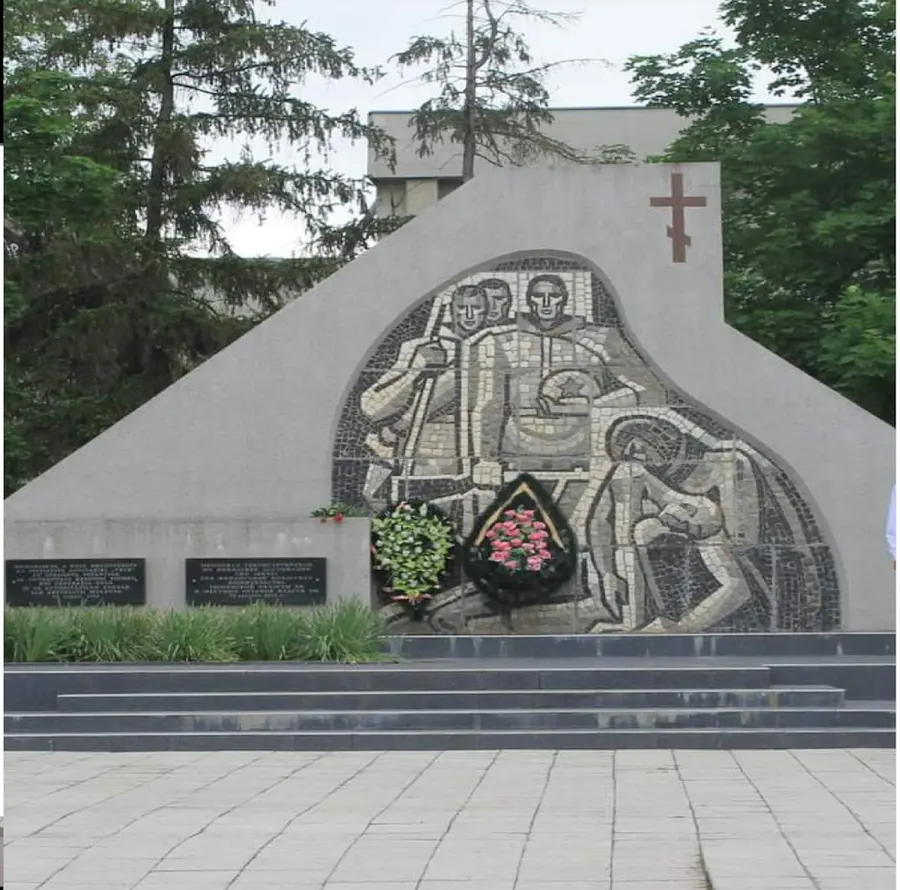
Cantemir District
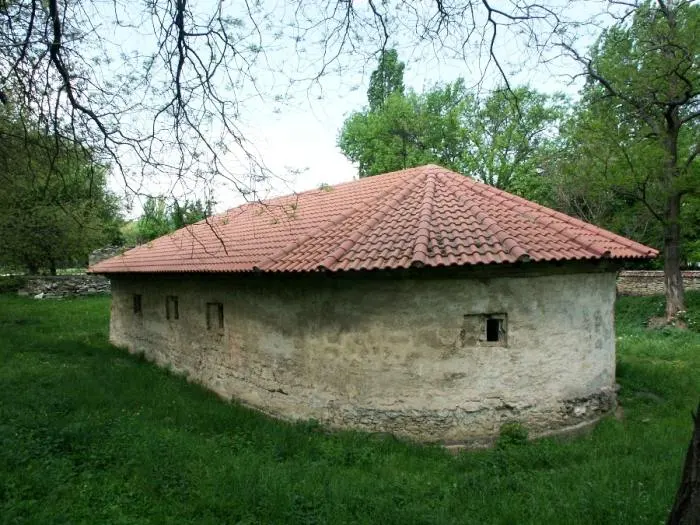
Căușeni District
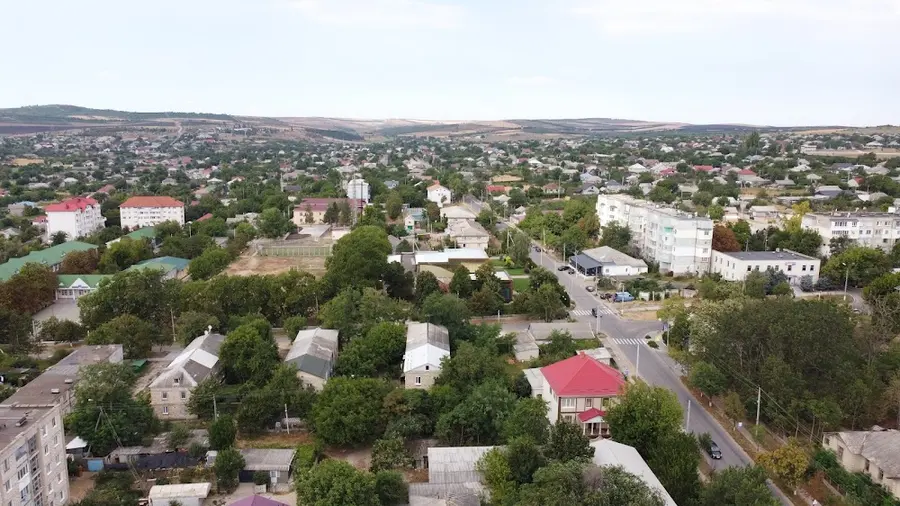
Cimișlia District
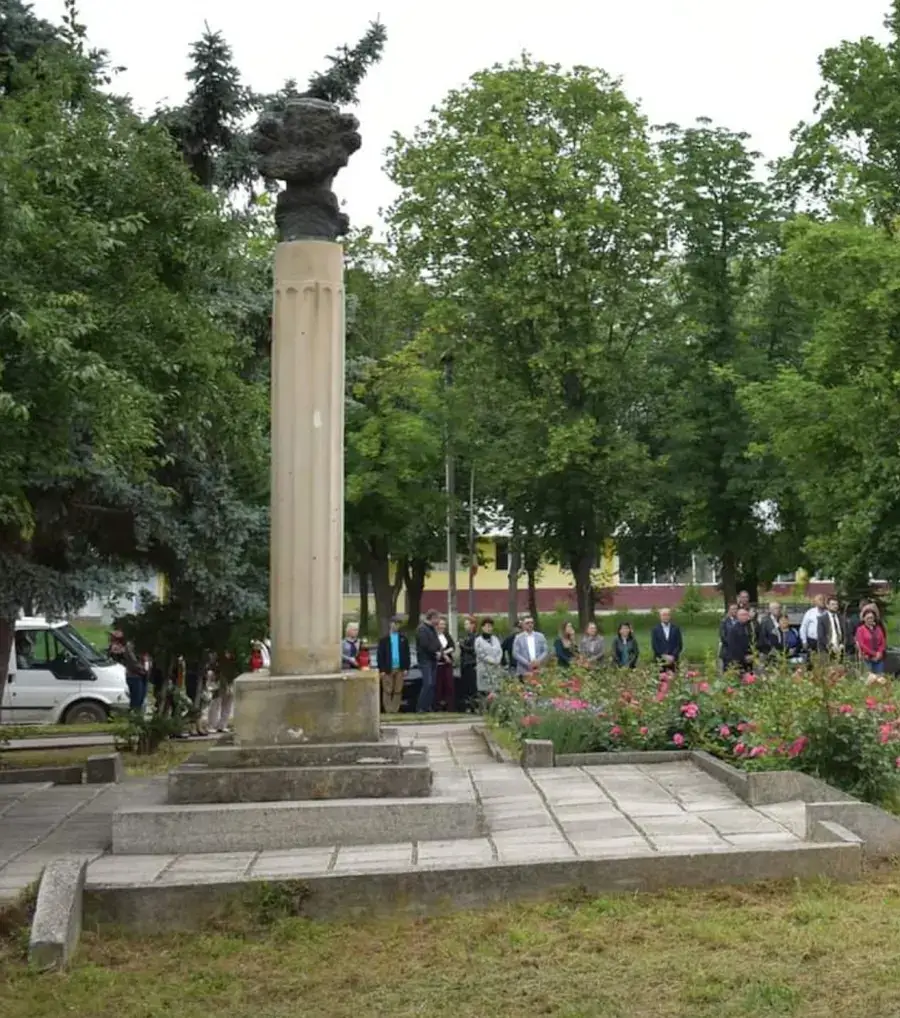
Leova District
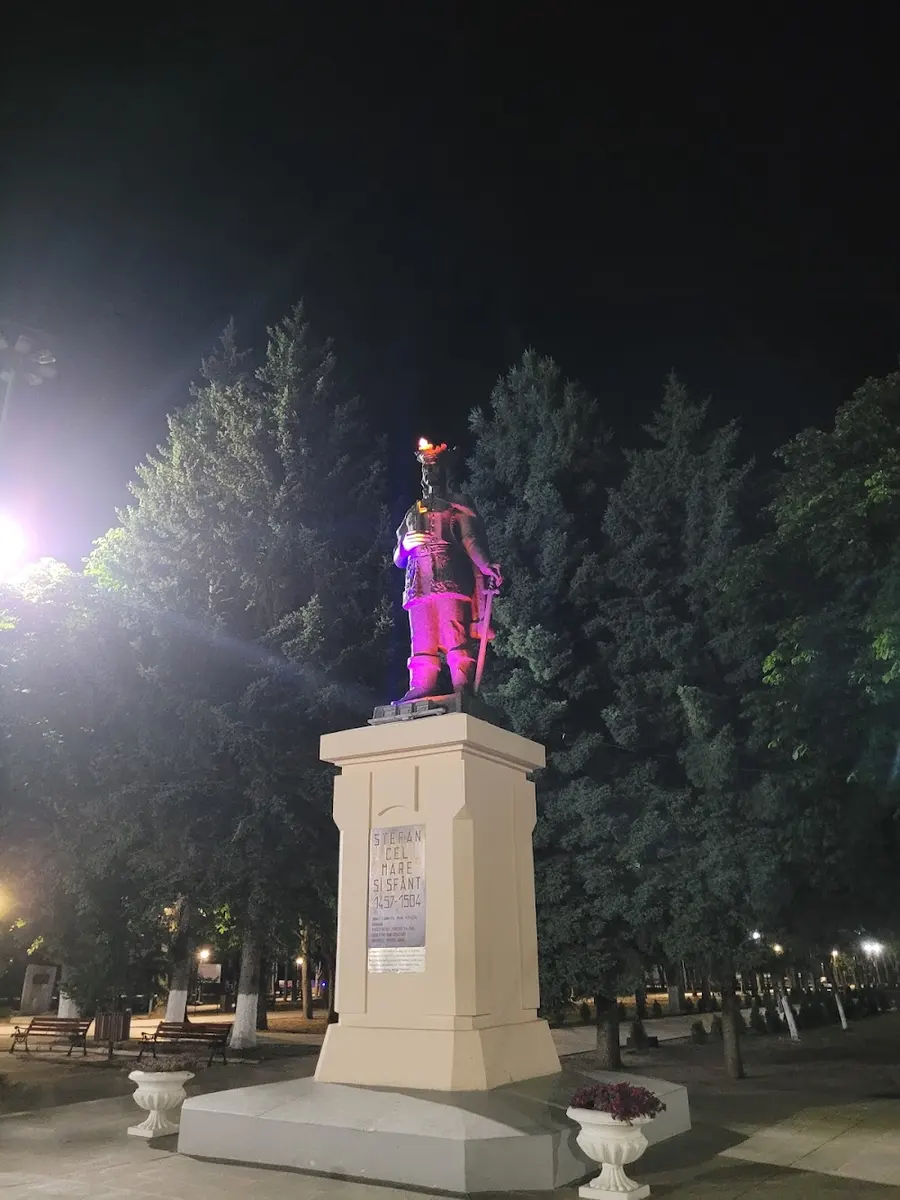
Ștefan Vodă District
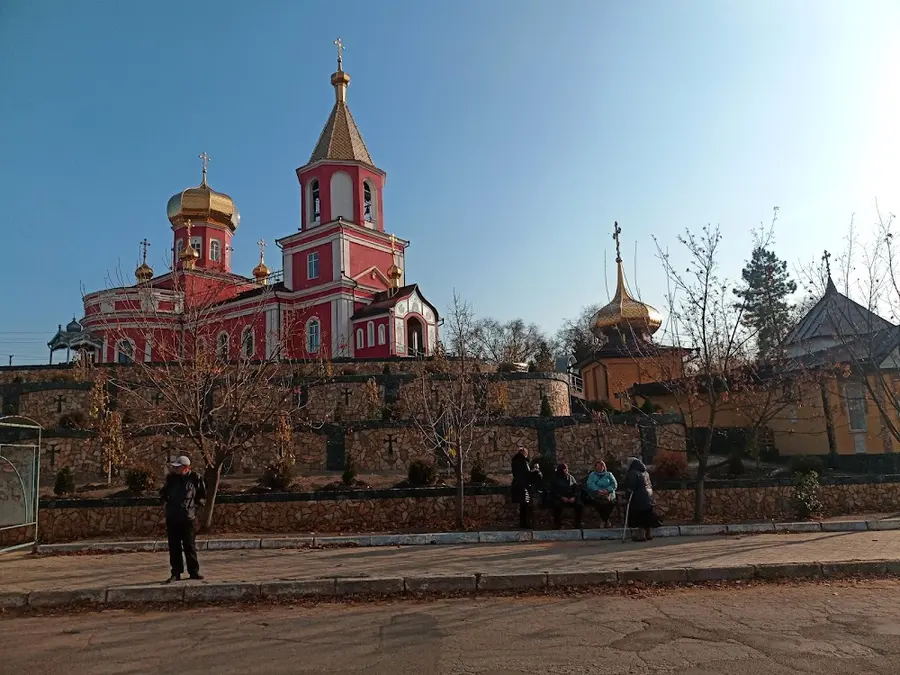
Taraclia District
The three regions, briefly
The north is fertile plain and industrial towns, with Bălți at its centre. Sugar beet, sunflowers and whole orchards of apples grow here, and towards Edineț and Briceni karst formations appear — reefs from a sea that vanished millions of years ago.
The centre is the heart of the country: the Codri with their oak and beech woods, the vineyards around Chișinău, Orheiul Vechi on the bank of the Răut and most of the monasteries. The capital and the most-visited wineries are here too.
The south opens towards the steppe and the Danube. Long summers suit the red wines of the Ștefan Vodă and Cahul areas, and the region holds the Gagauz autonomy with its seat at Comrat and the Prutul de Jos biosphere reserve, a haven for birds.
Frequently asked questions
Questions about Moldova’s regions
How many districts does the Republic of Moldova have?
Moldova has 32 districts, plus the municipalities of Chișinău and Bălți, the autonomous territorial unit of Gagauzia and the Transnistrian region (the left bank of the Dniester).
What are Moldova’s development regions?
The country is divided into three development regions — North, Centre and South — alongside the Chișinău municipality, the Gagauz autonomy and the Transnistrian region.
What is the capital of the Republic of Moldova?
The capital is Chișinău, the country’s largest city and its political, economic and cultural centre.
What is Gagauzia?
An autonomous territorial unit in southern Moldova, mostly Gagauz — a Turkic people of Orthodox faith — with its seat at Comrat.
Can I visit the Transnistrian region?
Visiting is possible, but the region has a special status that is not internationally recognised. Always check official travel advice before you go.
Where to stay across the country
Hotels and guesthouses on the map, in every district, with prices compared.
Map provided by Stay22. Bookings are completed on the partner platforms.
Plan your visit to the area
Where to stay
Real hotels and guesthouses, with prices compared on the map across Booking, Airbnb and other platforms.
SeeWineries & tastings
From record-breaking underground cities to family wineries. Almost all of them take visitors by appointment.
SeeReady-made itineraries
Day-by-day routes, with real driving distances and the route opening straight into Google Maps.
SeeWant to explore one particular area?
Tell us which region interests you and we will build an itinerary around it.