Nature & landscape
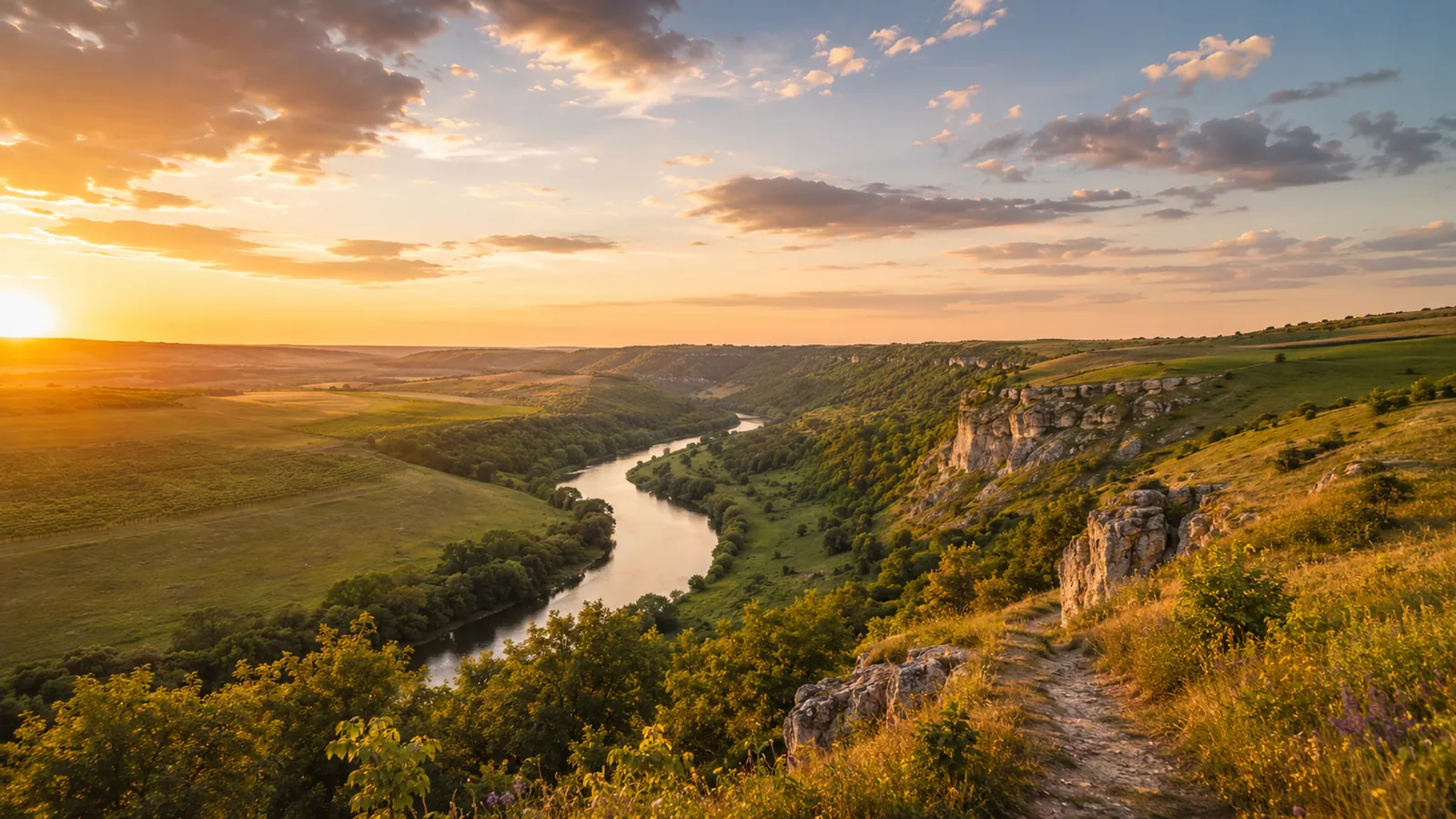
No mountains and no sea — instead, hills, oak forest and two rivers, the Dniester and the Prut, which have cut gorges, caves and steep banks into the limestone. A country made for taking slowly.
The lie of the land
The Republic of Moldova is mostly rolling country: plateaux, gentle hills, plains and valleys. The highest point is only 430 m (Dealul Bălănești), but the variety of landscape makes up for the absence of mountains — vineyards as far as you can see, dense forest through the centre, limestone crags along the river valleys and green floodplain meadows along the Prut.
Natural places worth visiting
 Natural complex
Orheiul Vechi
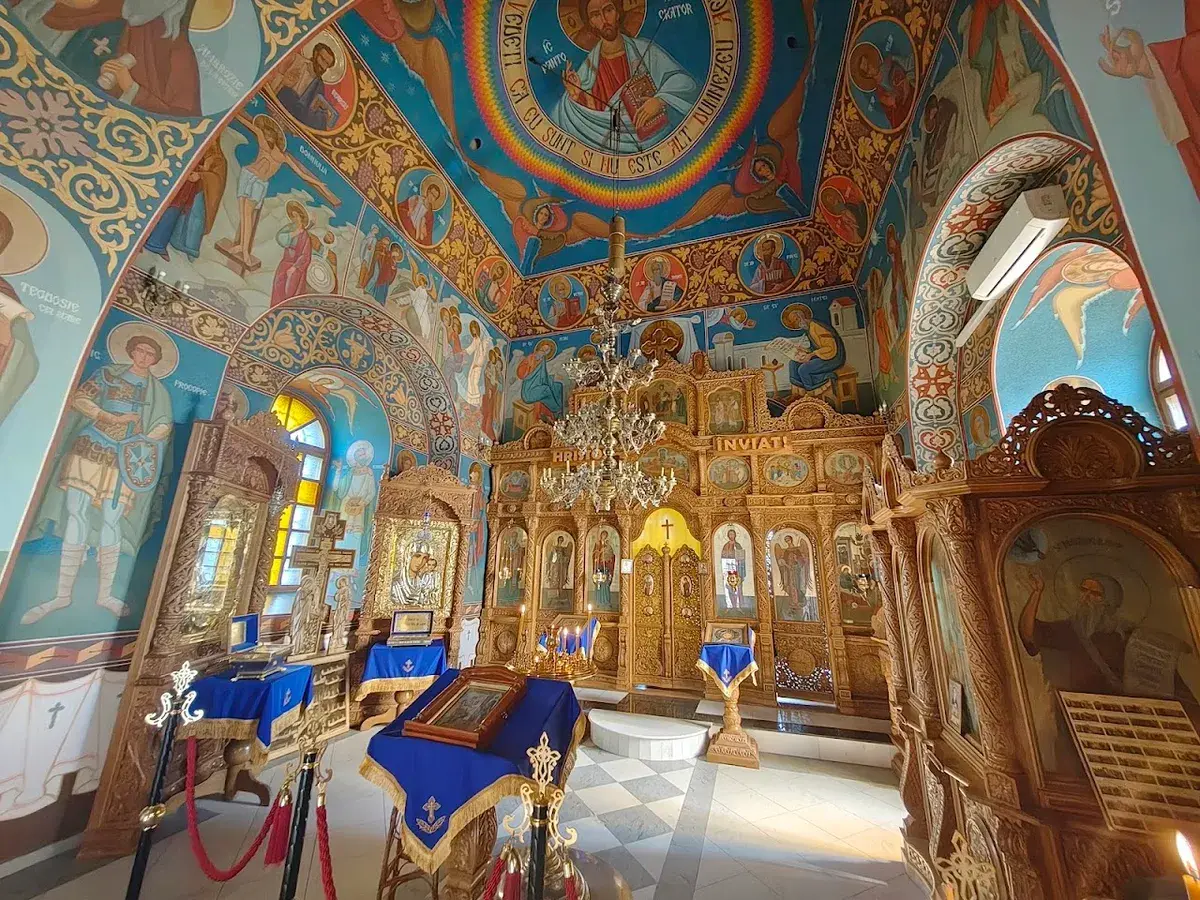
The most spectacular natural and historic complex in Moldova, set on a meander of the river Răut. The limestone cliffs shelter a cave monastery carved into the rock, while the traditional villages of Butuceni and Trebujeni preserve the authenticity of another age. It is a candidate for inclusion on the UNESCO World Heritage list.
Details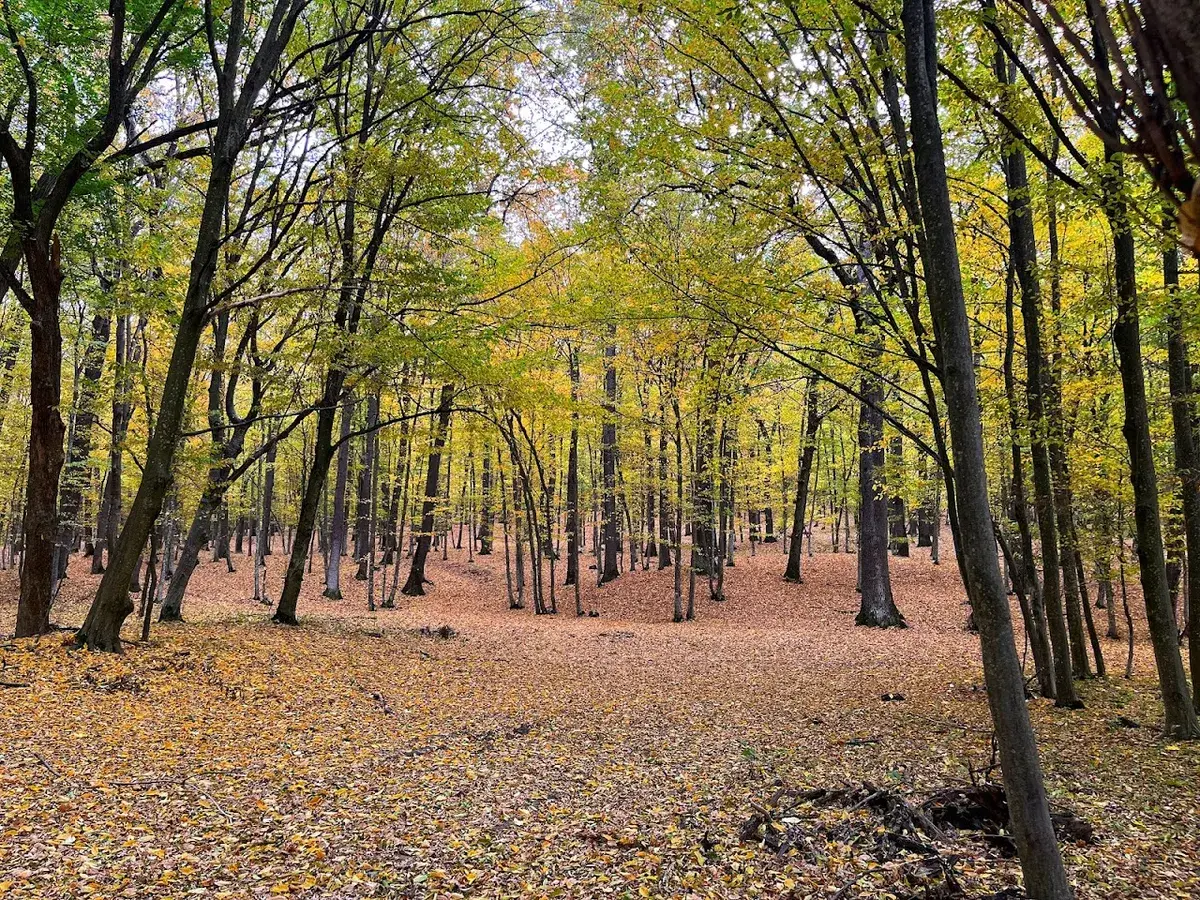 Nature reserve
Rezervația Codrii
The oldest scientific reserve in the Republic of Moldova, set in the heart of the Codri, near Lozova. It protects ancient forests of oak, beech and hornbeam, with a remarkable biodiversity of plants and animals specific to the central region.
Details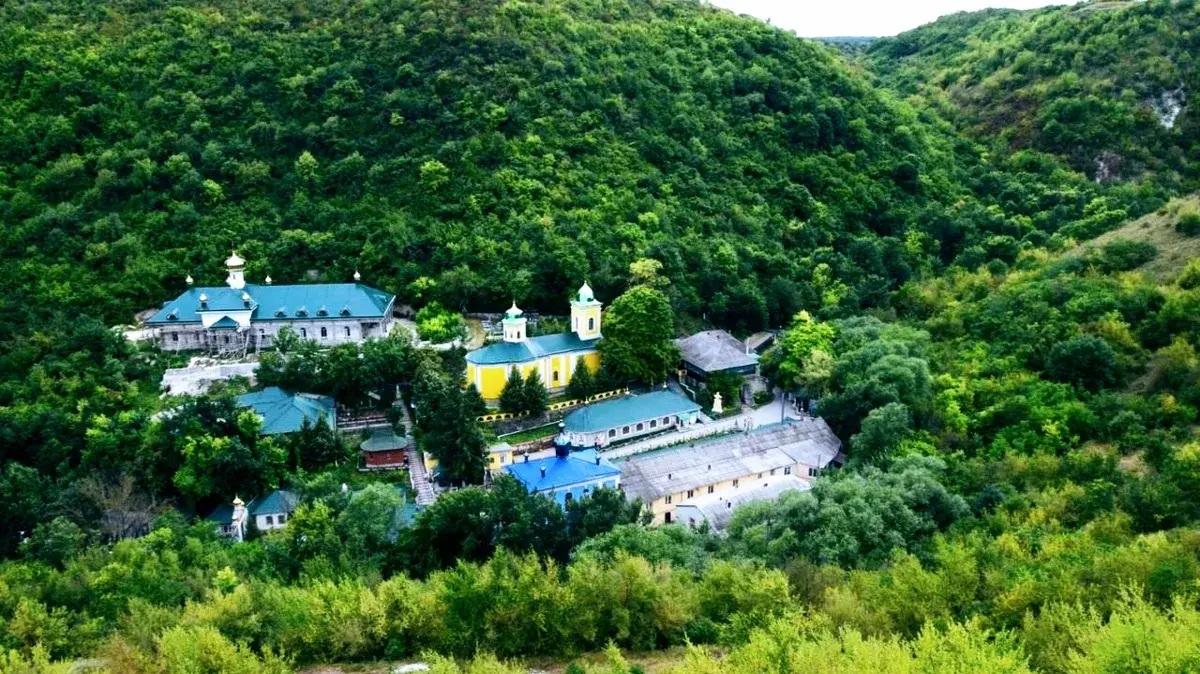 Waterfalls
Saharna
A natural and spiritual complex on the bank of the Dniester, famous for its string of natural waterfalls and for its monastery and cave hermitage. A hiking trail along the stream links wild nature with places of prayer.
Details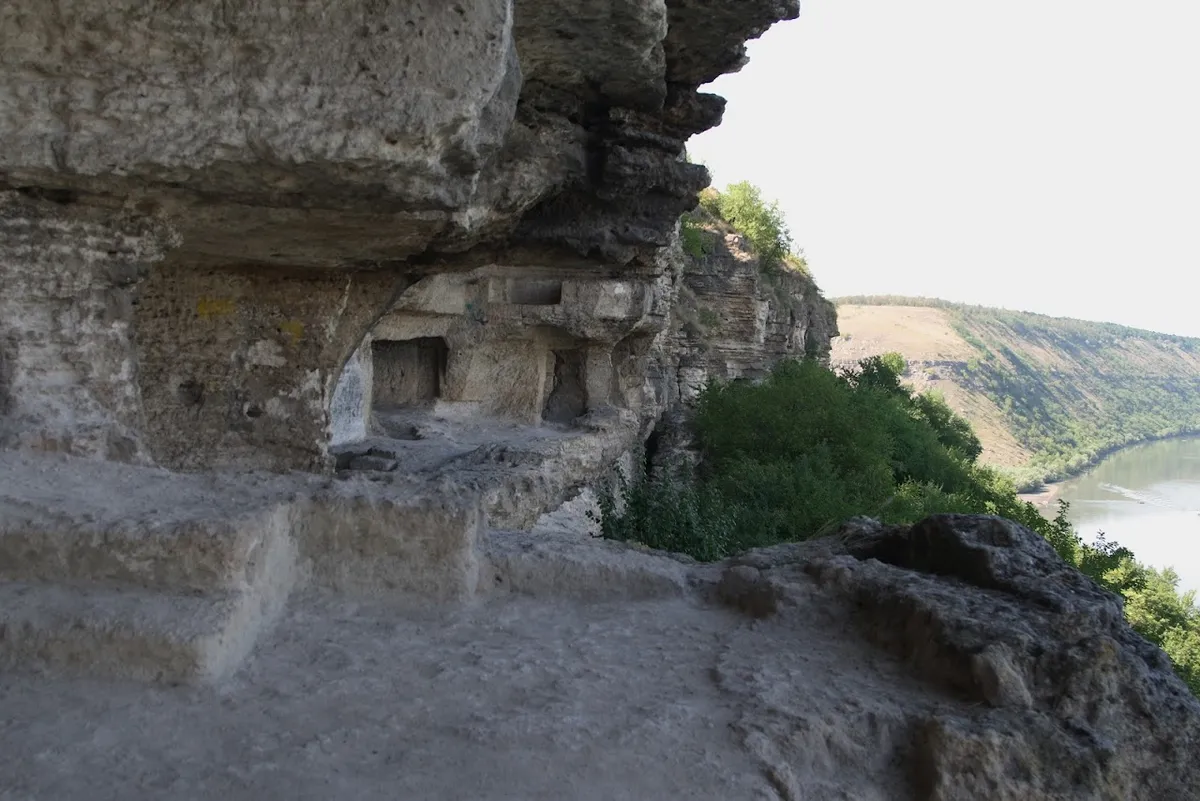 Gorges & cliffs
Țipova
A spectacular gorge on the steep bank of the Dniester, where the oldest cave hermitage in Eastern Europe stands, carved into the rock. The wild landscape, the waterfalls and the quiet make Țipova a place of rare beauty.
Details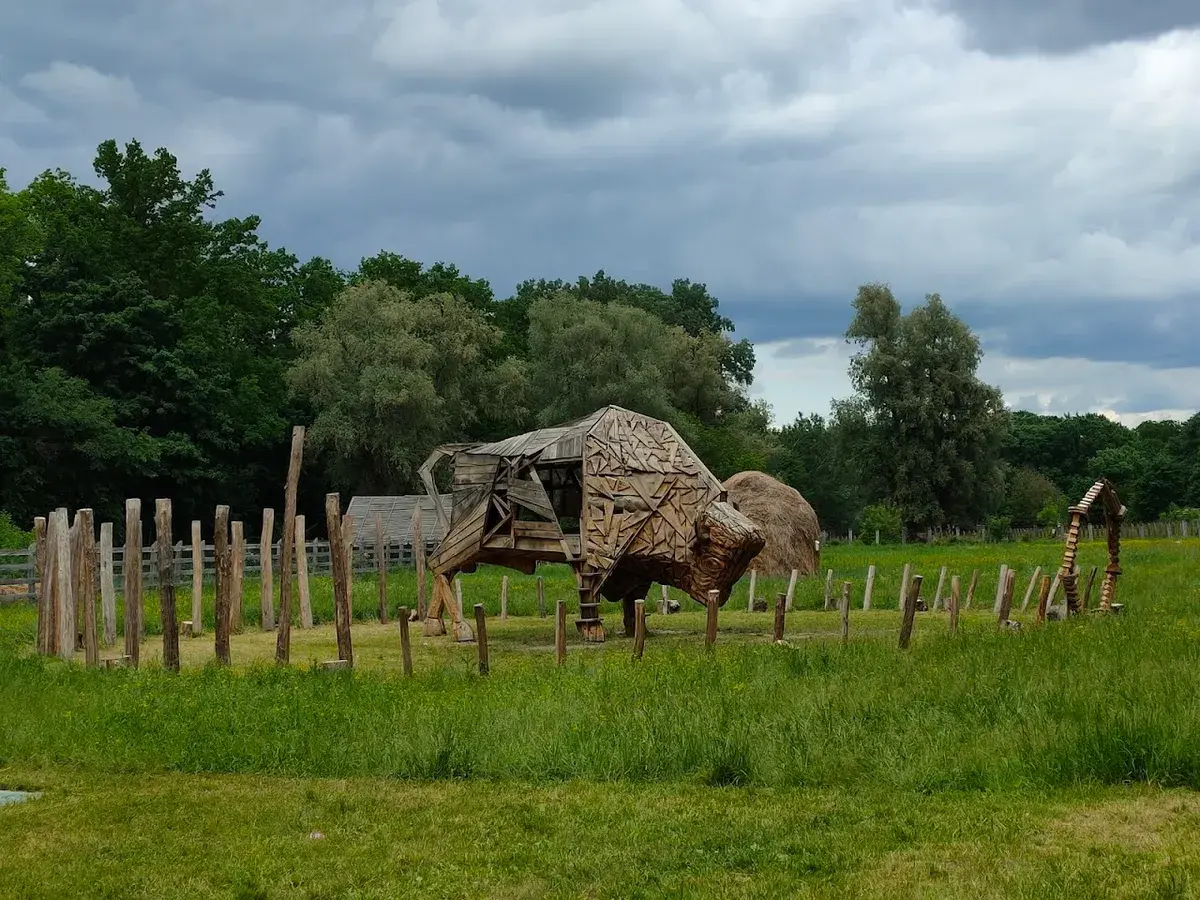 Nature reserve
Pădurea Domnească
A nature reserve situated in the Prut floodplain, protecting one of the oldest floodplain forests in the region, with ancient oaks. Here too stands the famous "Oak of Stephen the Great", and the area shelters a rich fauna.
Details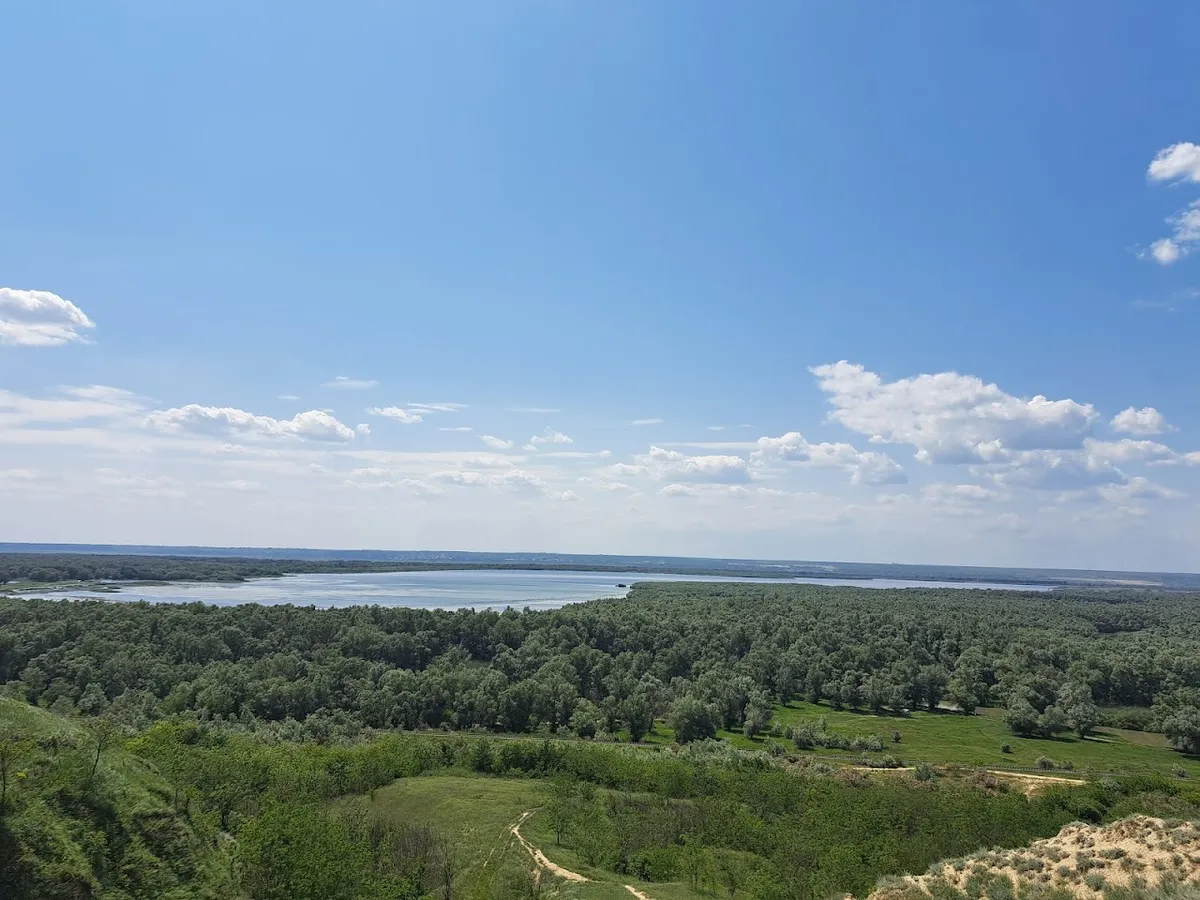 Nature reserve
Prutul de Jos
A biosphere reserve recognised by UNESCO, centred on Lake Beleu, at the southern extremity of the country. This wetland of international importance is a paradise for birds and an ideal place for nature watching.
Details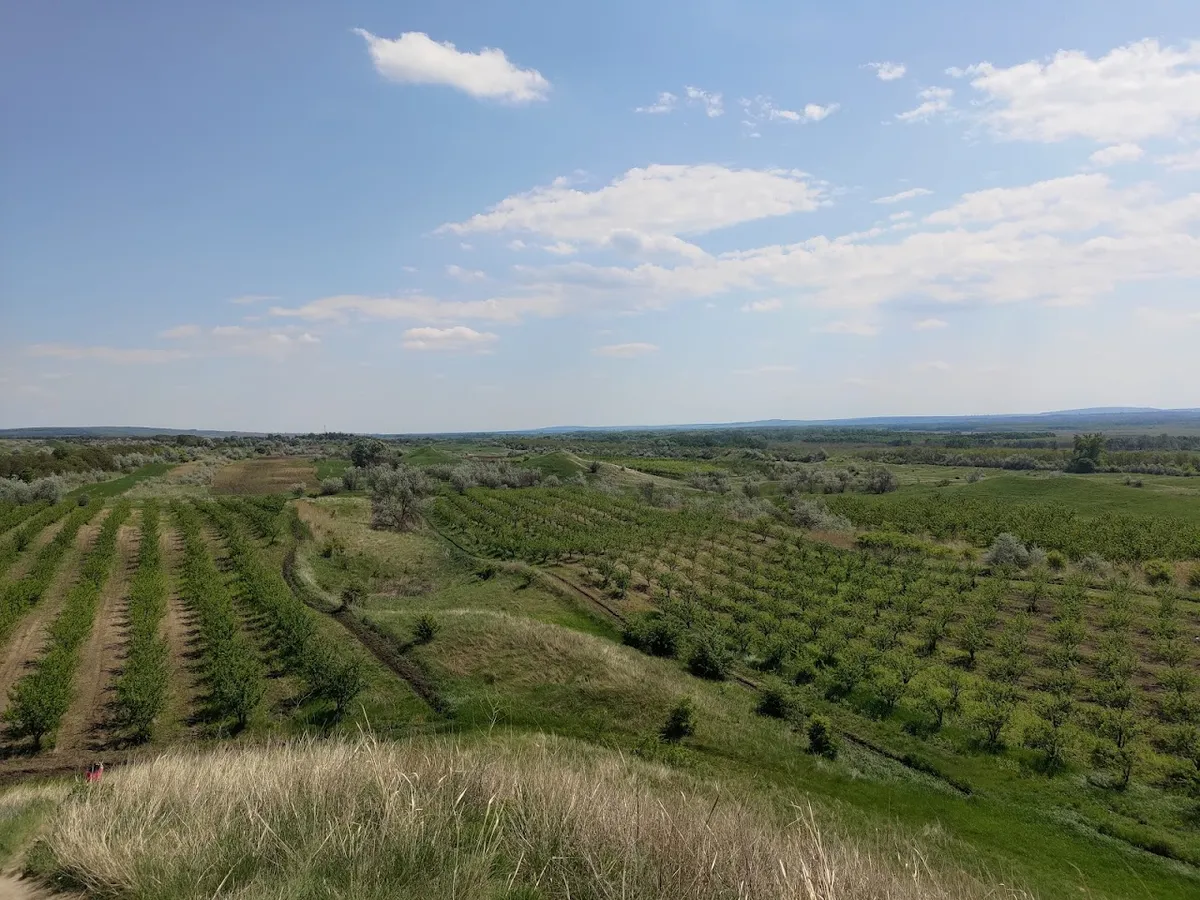 Landscape
Suta de Movile
A unique geomorphological landscape on the bank of the Prut — a field of thousands of natural mounds (hillocks) stretching as far as the eye can see. A natural monument without equivalent in the region, spectacular above all in spring.
Details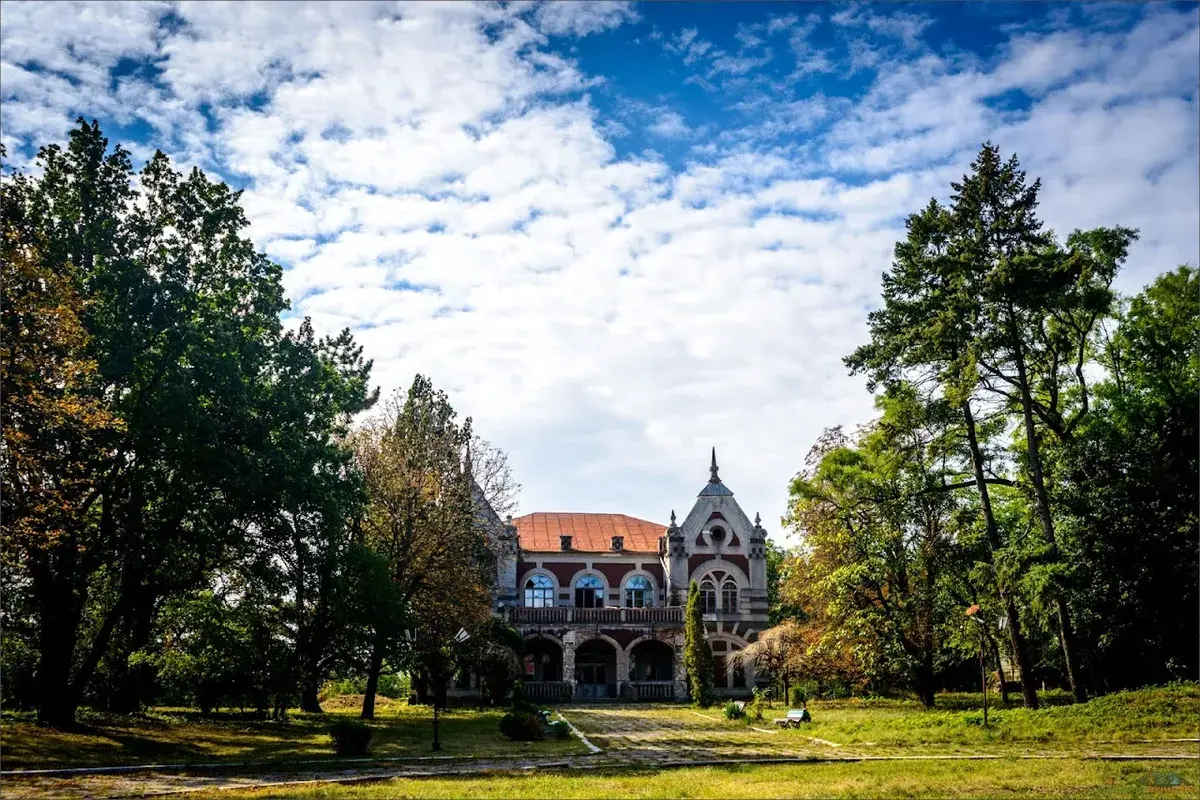 Arboretum
Parcul Țaul
The largest dendrological park in the Republic of Moldova, laid out at the beginning of the 20th century. It shelters tree and shrub species from all over the world, with elegant walkways, ponds and a romantic landscape, ideal for slow walks.
Details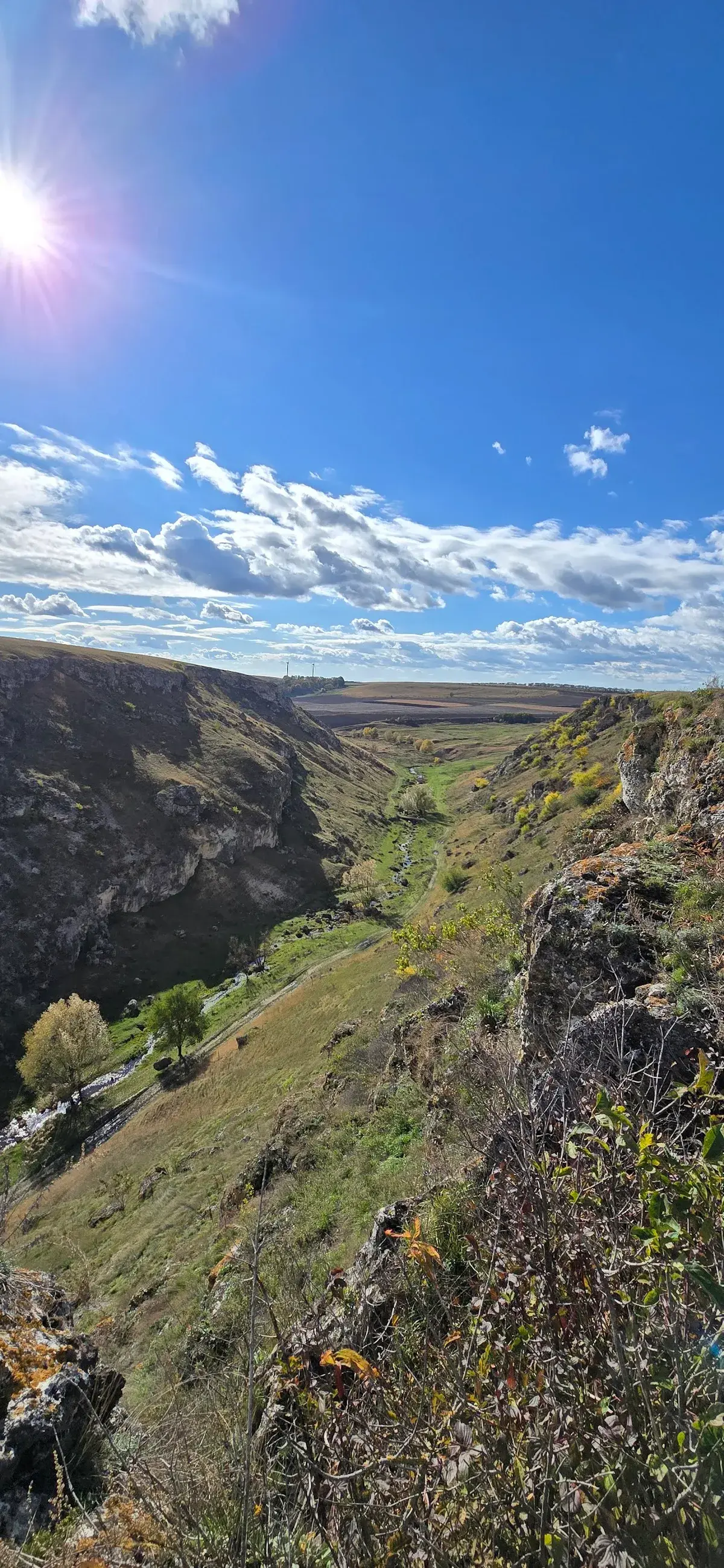 Gorges & cliffs
Defileul Trinca
A limestone gorge in northern Moldova, with reefs and caves millions of years old, formed from a former marine reef. The place preserves prehistoric remains and offers a spectacular karst landscape.
Details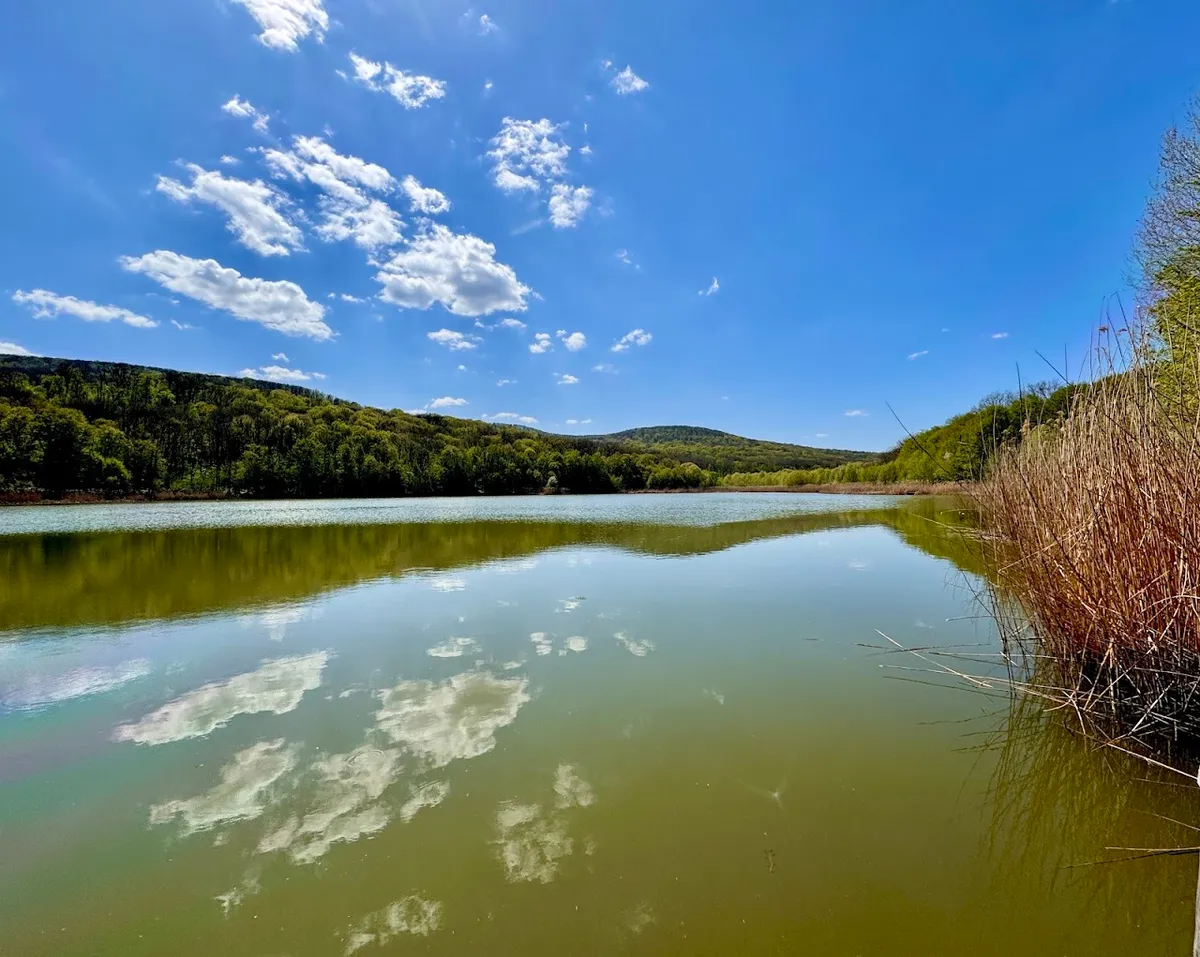 Nature reserve
Plaiul Fagului
A scientific reserve in western Moldova, protecting beech forests — rare at this latitude — together with crystalline springs and a rich biodiversity. A corner of cool, quiet nature.
DetailsUnguri-Holoșnița
A natural area in the north of the Republic of Moldova, in Ocnița district, close to the bank of the Dniester. It is a territory of relief and vegetation, without visiting infrastructure, suited to free hiking in a little-frequented area.
Details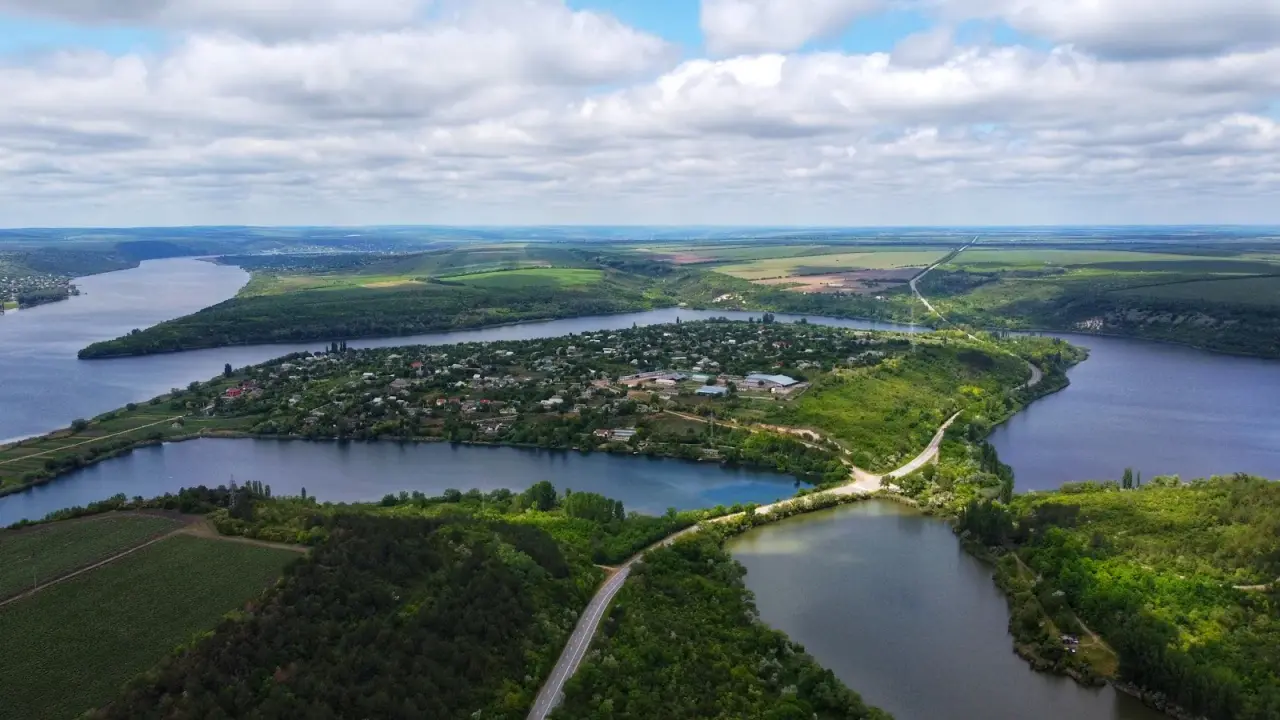 Nature reserve
Iagorlîc
A protected area in the north-east of the country, on the course of the Dniester, in a landscape of river inlet and wooded slopes. It is a scientific reserve, not a park laid out for free visiting, and access is to be clarified in advance with the administration.
DetailsNistrul de Jos
The name covers the wetland along the lower course of the Dniester, with floodplains, water channels and low banks, divided between the Republic of Moldova and Ukraine. It is a landscape of water and meadows, with no organised tourist infrastructure on the Moldovan side.
DetailsMoldova’s rivers
Nistru
The longest river, crossing Moldova from north to south. Dramatic scenery, traditional villages and cave monasteries along its banks.
Prut
The natural border with Romania. Floodplains, wetlands, fishing villages and a cradle of biodiversity.
Răut
A tributary of the Dniester, and the river Orheiul Vechi stands above — a natural masterpiece.
Bîc
Chișinău’s own river — it runs through the capital and is part of the city’s identity.
Where to stay in Moldova — compare and book
Hotels, apartments and guesthouses on one map, with prices compared across Booking, Airbnb and other platforms.
Map provided by Stay22. Bookings are completed on the partner platforms.
Frequently asked questions
Questions about Moldova’s countryside
What is the highest point in Moldova?
Dealul Bălănești, at 430 m, in Nisporeni district. Moldova is mostly rolling hill country, with no high mountains.
Which are the finest natural places in Moldova?
Orheiul Vechi, the Codri reserve, Saharna, Țipova, Pădurea Domnească and the Prutul de Jos biosphere reserve are among the most striking.
What is Orheiul Vechi?
A natural and historical complex on the river Răut, with limestone cliffs and a monastery cut into the rock. It is a candidate for the UNESCO World Heritage list.
Does Moldova have a coastline?
No. Moldova is landlocked and has no high mountains, but it does have hills, old forests, valleys and striking rivers.
What are Moldova’s main rivers?
The Dniester and the Prut are the most important, alongside the Răut, the Bîc and the Ichel.
Get the trip ready
Where to stay
Real hotels and guesthouses, with prices compared on the map across Booking, Airbnb and other platforms.
SeeReady-made itineraries
Day-by-day routes, with real driving distances and the route opening straight into Google Maps.
SeeGetting there from Romania
Plane, coach, train or car — real journey times, border crossings and the documents you need.
SeeExplore Moldova’s countryside
Walking tours, trips to Orheiul Vechi and time spent outdoors.